Ultimate Jiuzhaigou Huanglong Travel Guide 2026: Top Tips By A Chinese
Hi! This guide is based on my personal experiences of Jiuzhaigou and Huanglong in 2026.
I’m a native Chinese and the creator of this website, Yenkid In China.
My all-in-one guide will save you time and money!
Summary: Discover my secret tips about the must-sees, route itinerary, booking tickets, how to get there, and where to stay!
Part 1 is Jiuzhaigou. Part 2 is Huanglong.
✨ Personally, I found Trip was the easiest way to buy tickets and book transport.
✨ Take a look at my ultimate Chengdu + Xi’an + Chongqing guides and more!
✨ Check out my Sichuan itinerary + Jiuzhaigou, Zhangjiajie, Guilin itinerary
Skip to 👉🏻 Huanglong section
Part 1: Introduction to Jiuzhaigou National Park 九寨沟
My Favourite Facts about Jiuzhaigou
One of China’s top natural wonders. You’ll see it on nearly all top 5 lists of natural scenery in China.
It’s a Y-shaped scenic park with dozens of gorgeous blue lakes and pools surrounded by valleys
Jiuzhaigou is at the eastern edge of the Qinghai-Tibetan Plateau.
You’ll be at roughly 2,000m-3,100m altitude. The mountain peaks rise up to 4,500m.
The park is located around 400km from Chengdu in northern Sichuan province.
⬇️
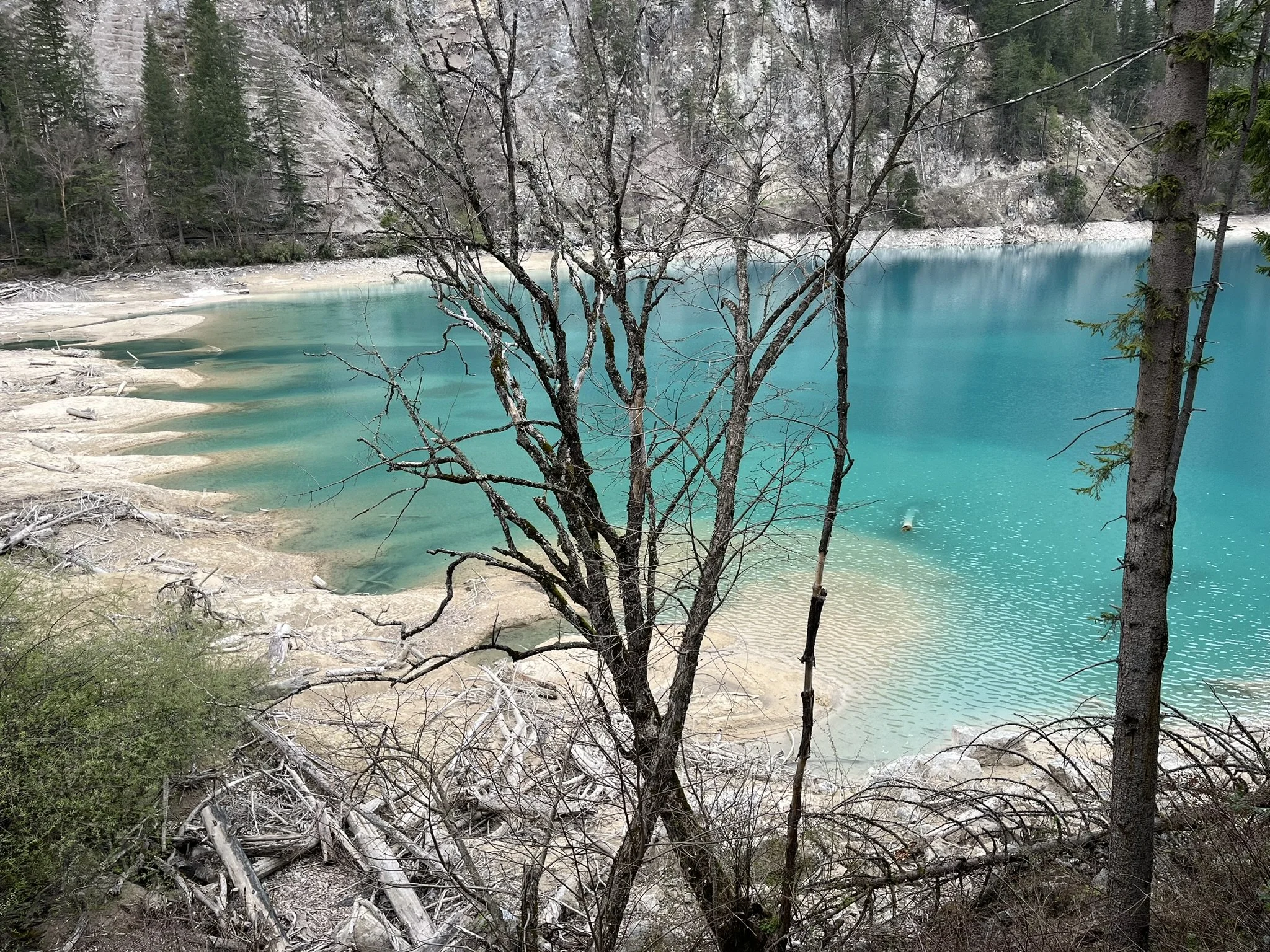
What I loved about Jiuzhaigou👍🏻
Three words from me: stunning, breathtaking, mesmerising
I think that this will remain one of my top 3 natural scenery to visit forever.
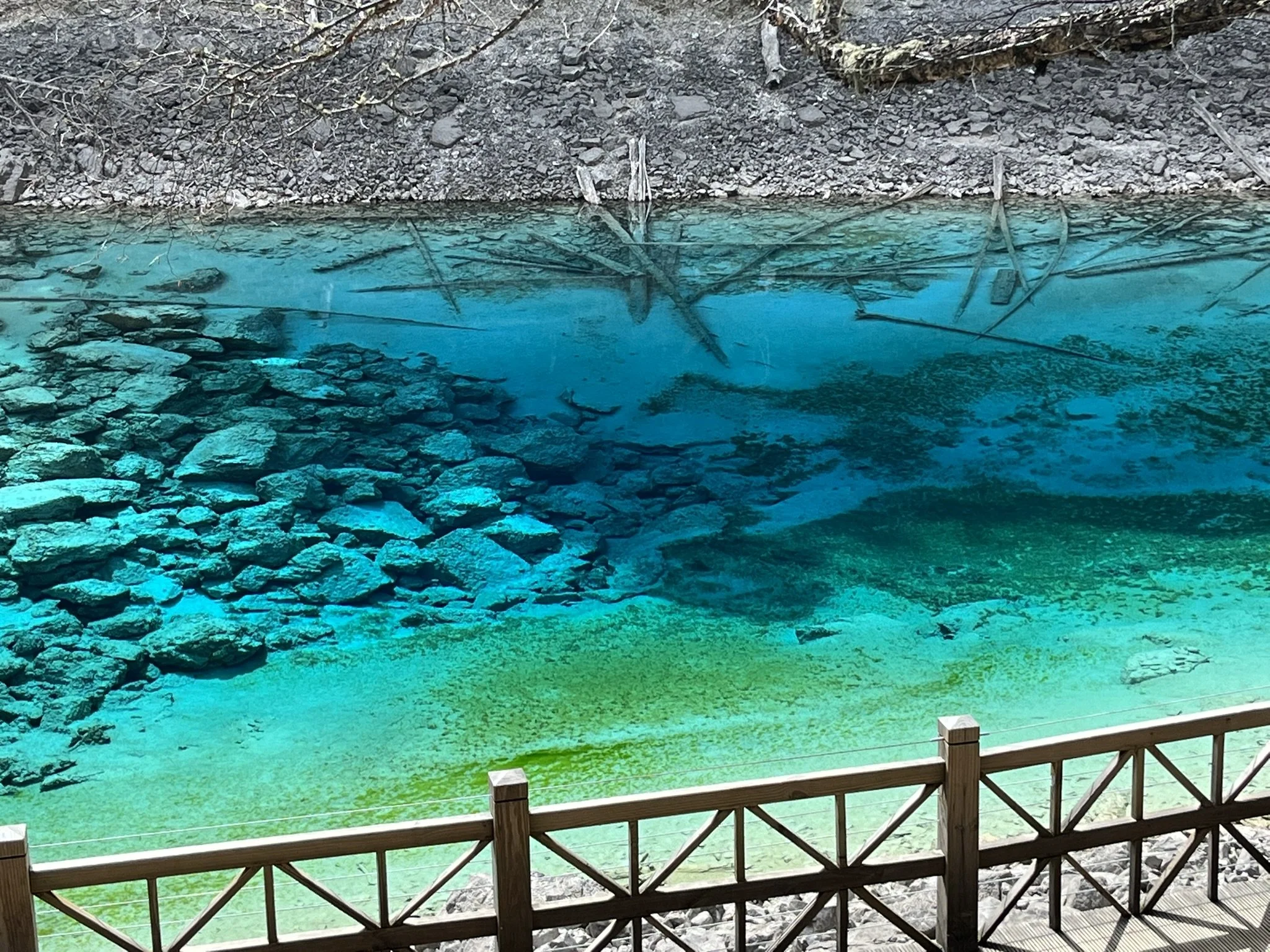
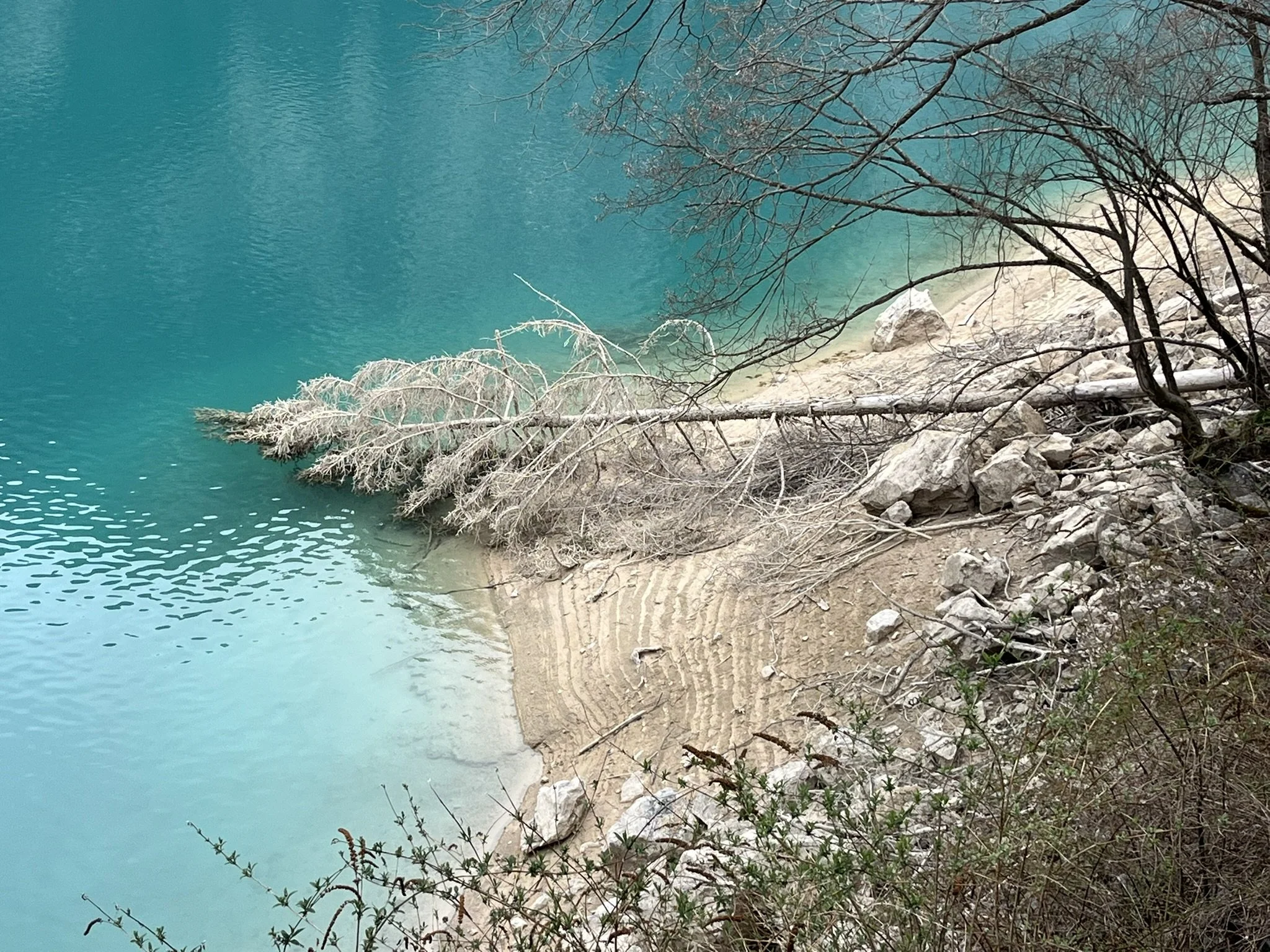
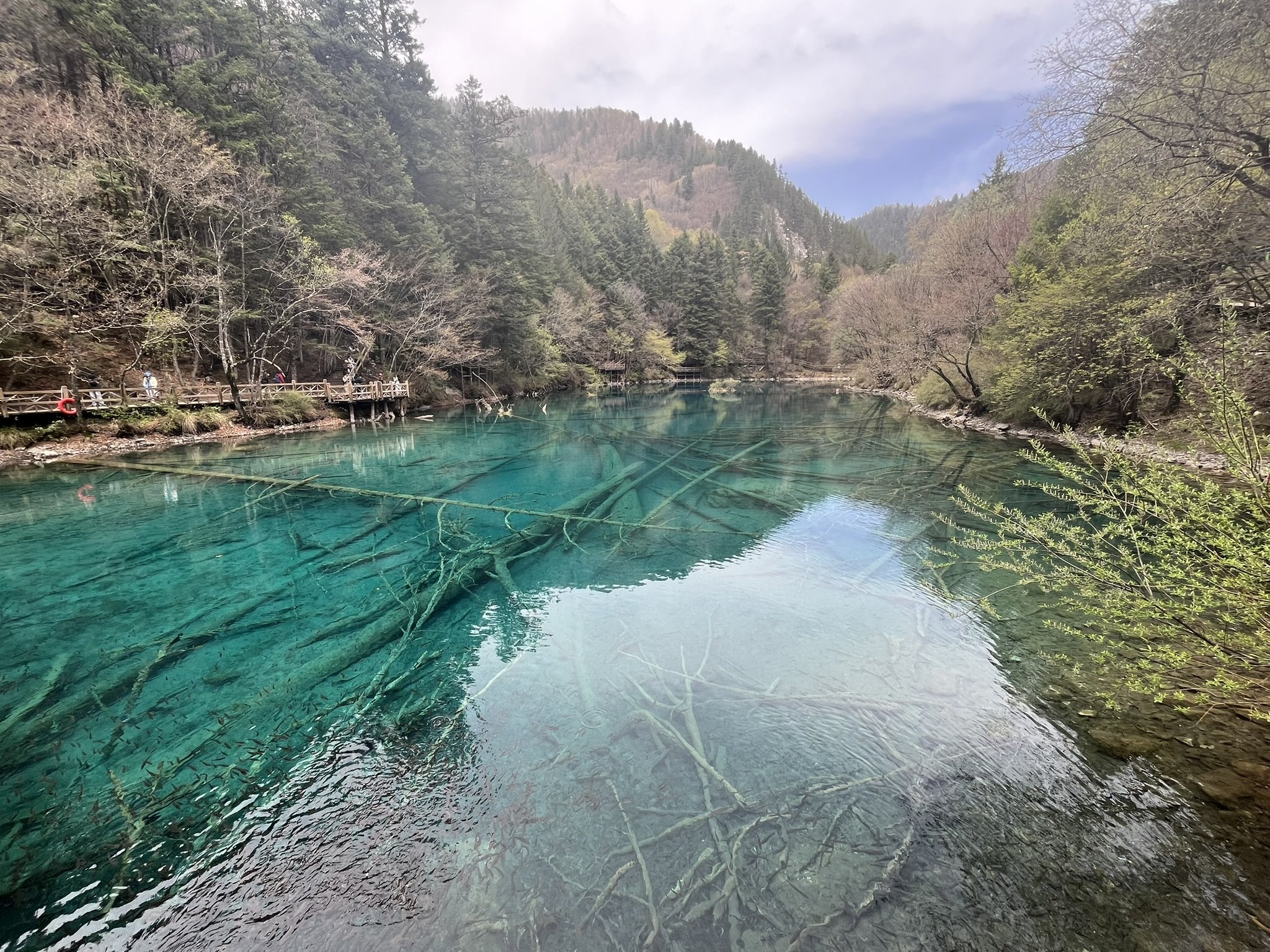
Without a doubt, the most beautiful water scenery I’ve ever seen in my life. The colours and reflections are gorgeous.
Photos don’t do it justice. Nothing was like seeing it with my own eyes.
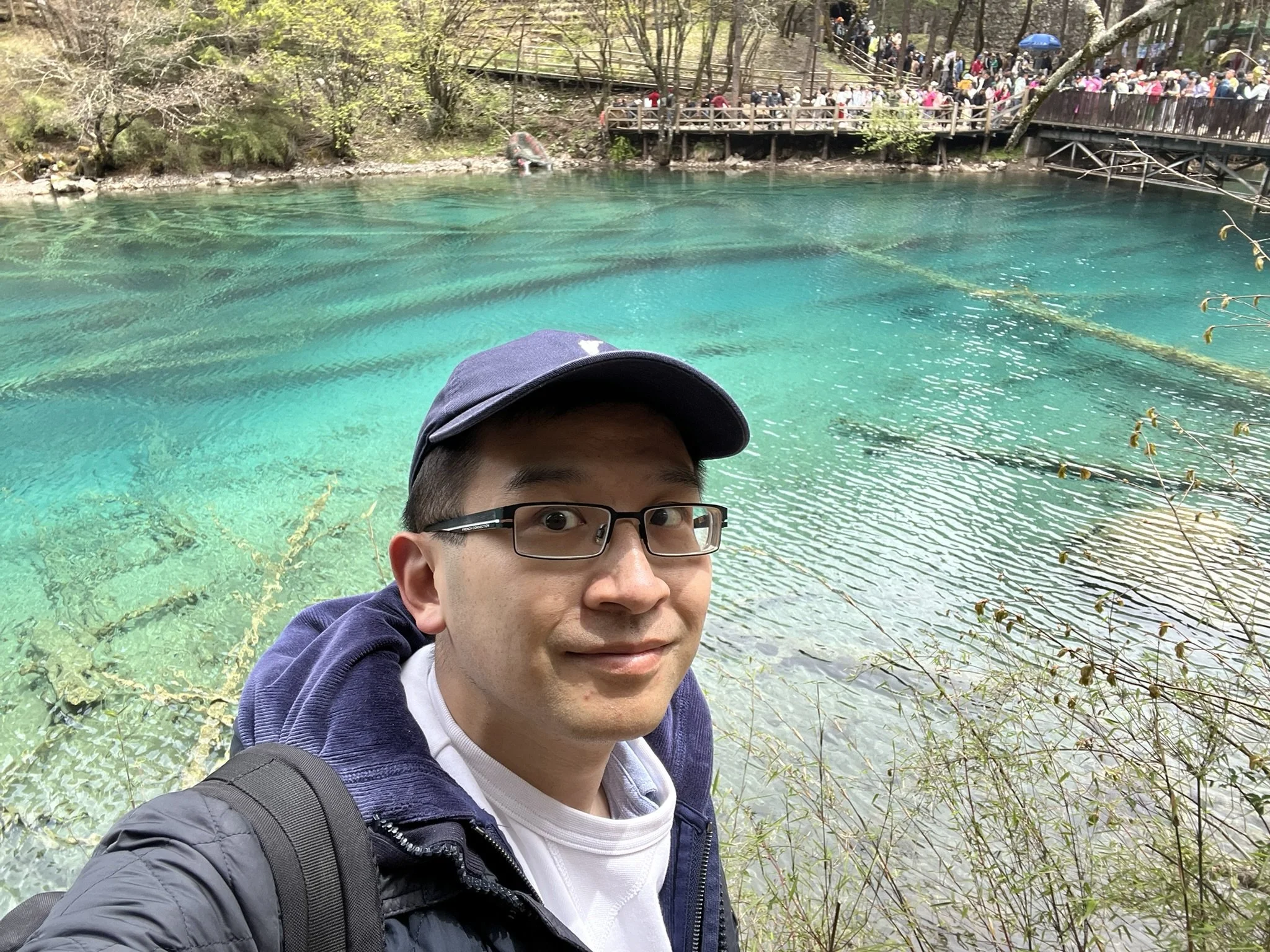
It was highly therapeutic - I travelled solo and it was one of most relaxing experiences I’ve ever had.
⬇️
🛏️ I book hotels on Trip because it gives me the best prices ($26 cheaper for one booking!) + has way more hotels for China. What made it even cheaper was getting exclusive discounts as a new user. Register here!
🚅 I recommend booking trains on Trip as it offers the best English language interface + you can reserve tickets further in advance.
If There’s 5 Photographic Spots You Must Not Miss: 📷
These are my absolute favourite photo viewing spots
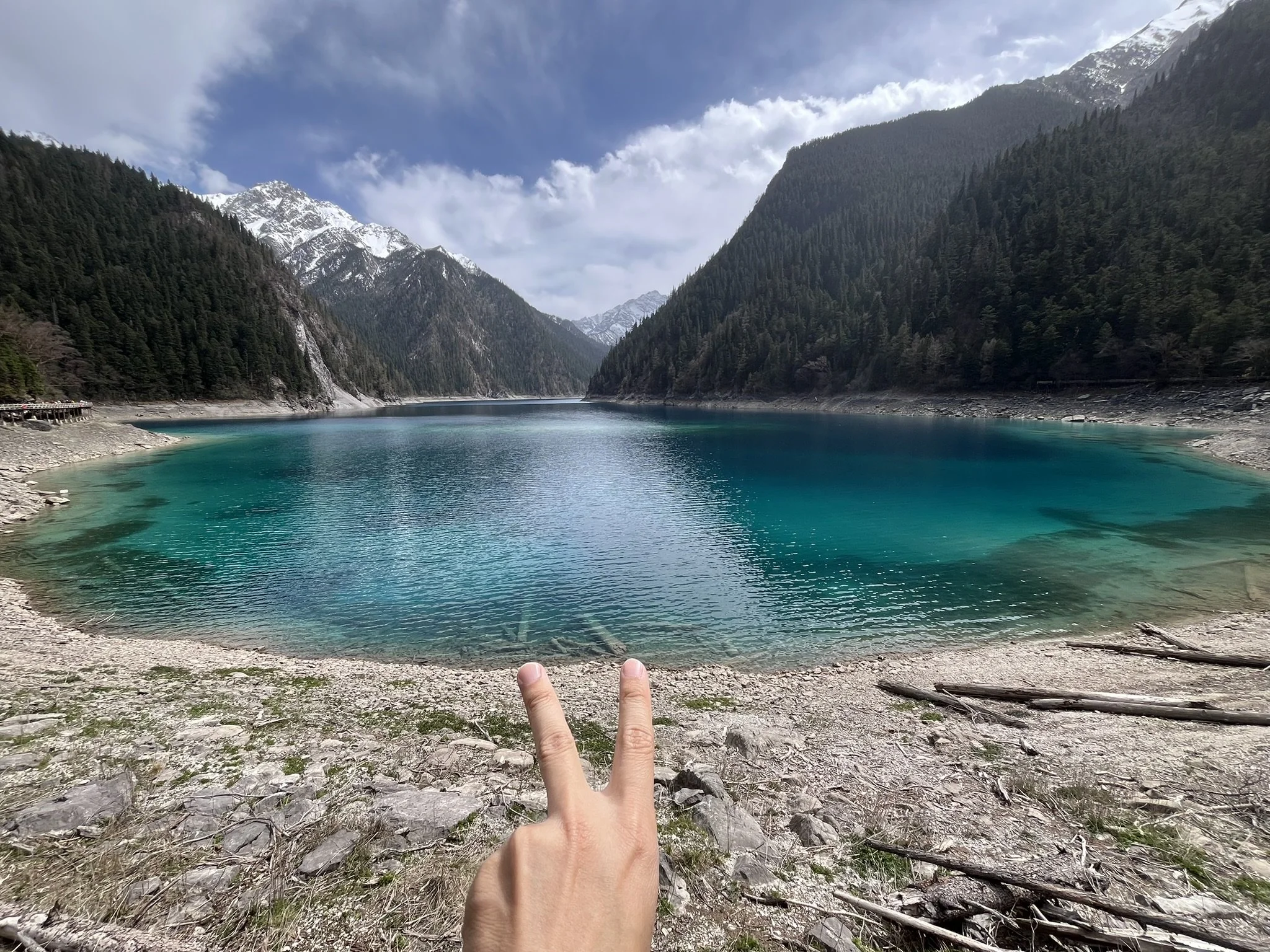
Long Lake | cháng hǎi | 长海 ⭐
Five Color Pool | wǔ cǎi chí | 五彩池 ⭐
Five Flower Lake | wǔ huā hǎi | 五花海 ⭐
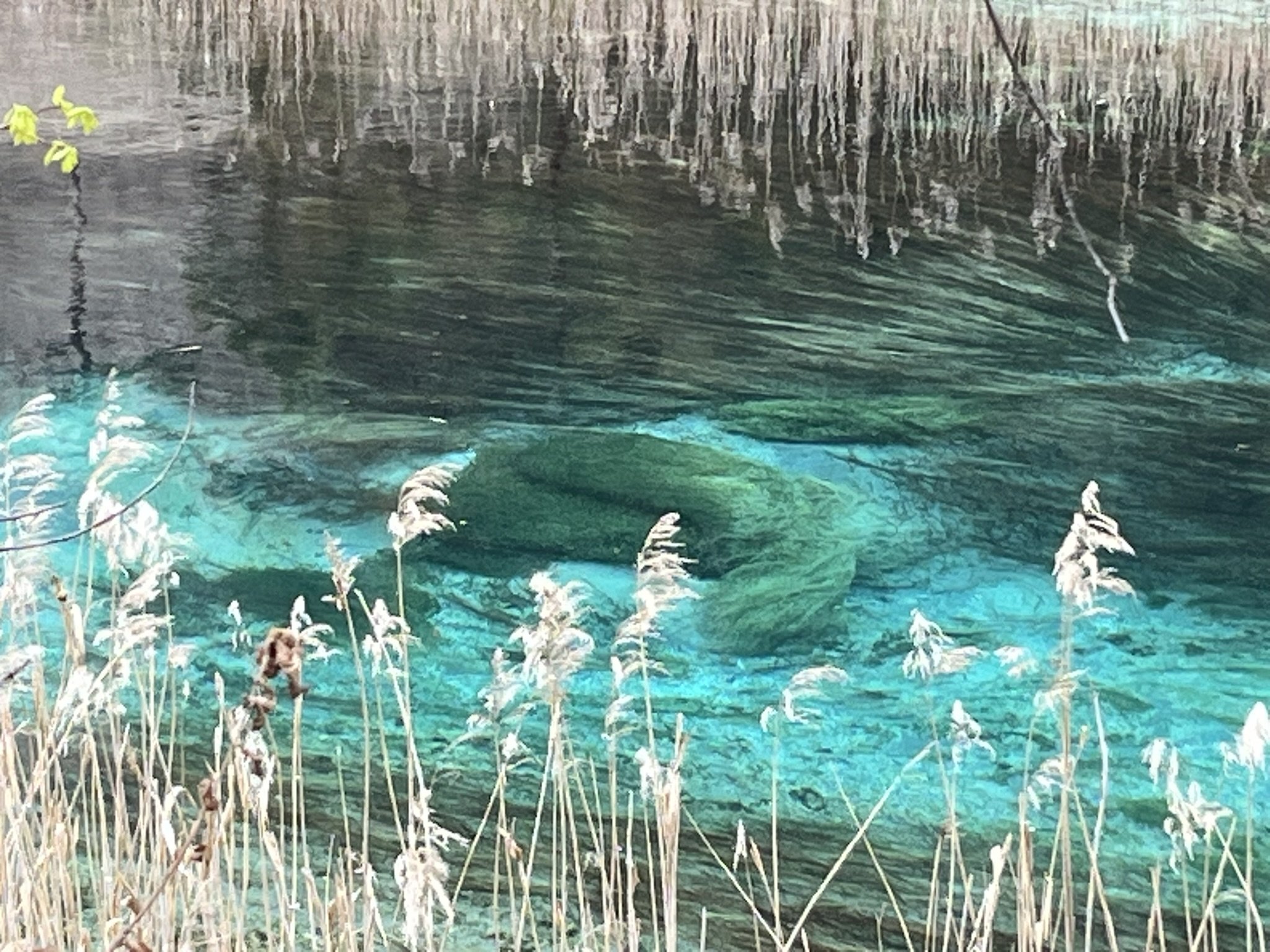
Reed Lake | lú wěi hǎi | 芦苇海 ⭐ (don’t miss! This is one of the last lakes on your way out, so make sure you don’t run out of time!)
Shuzheng Lakes | shù zhèng qún hǎi | 树正群海 ⭐ - around 2,280m
Nuorilang Falls | nuò rì làng pù bù | 诺日朗瀑布 - the widest waterfall in China (270m width with a 20m drop) ⭐
My key tip: Get there as early as you can! I only entered at 9am and was really pushed for time. Ended up missing a couple of spots, which I can save for next time.
⬇️
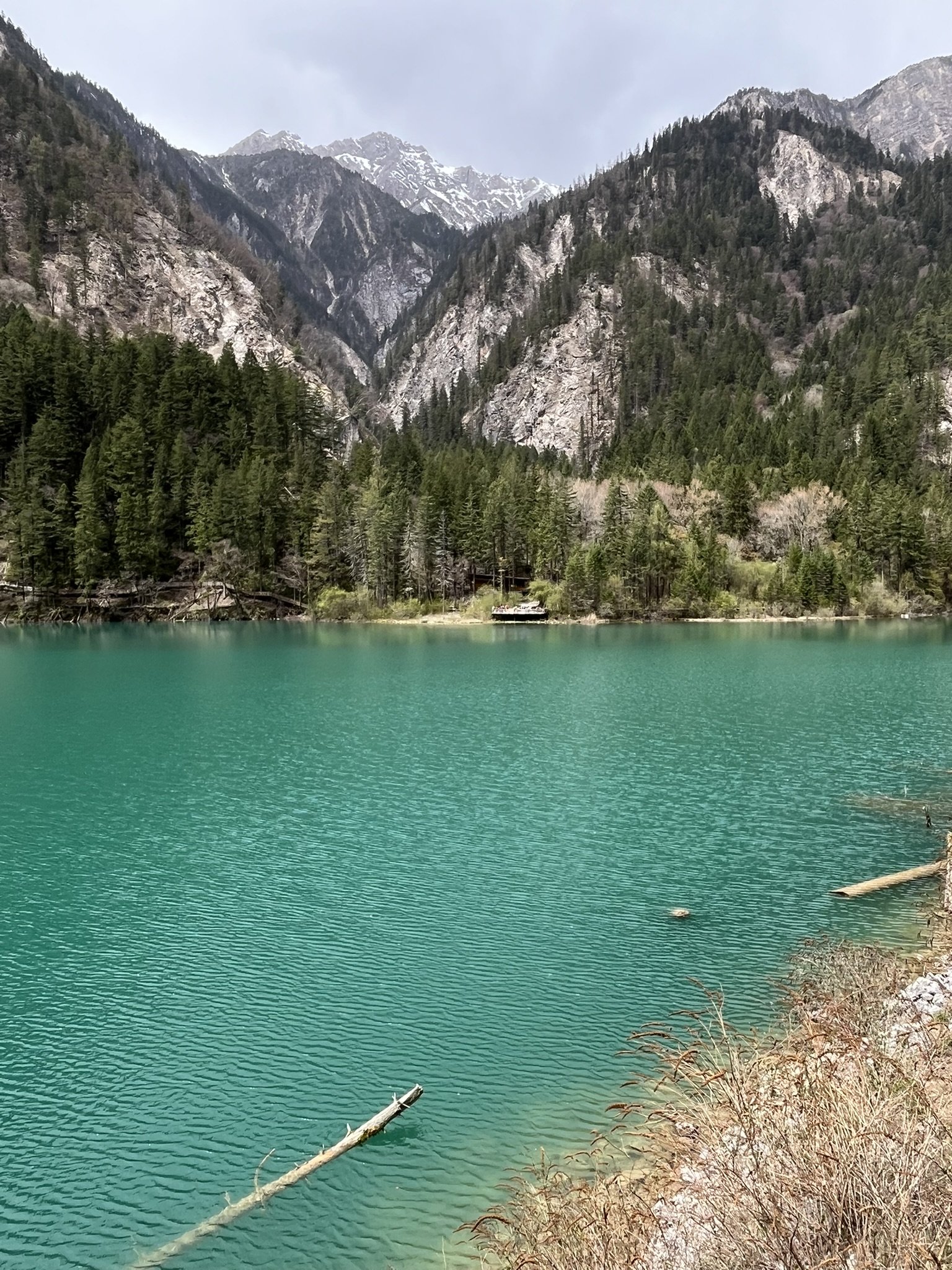
My Recommended Number of Days📅
2 days in your calendar. I do not recommend travelling from Chengdu, exploring the park, and returning to Chengdu all on the same day. Seriously!
Arrive in the village on the afternoon before. Check into hotel + enjoy the village + get a good night of rest.
The park ticket is only valid for 1 day, not worth using it on the first day. You’ll have to buy another ticket for the second day!
Wake early, have breakfast, and enjoy the park all day.
Best Time to Visit ☀️
Three factors to consider: weather + seasonal water flow + colours
📅 To get the best overall experience, my recommended months are May-June + mid-September-early November (for the colour fanatics).
But avoid the 1st week of May and October!!! It’s Labour Day and National Day Holiday, which means the park will be at peak capacity and the hotels will be much more expensive.
We’re talking triple/quadruple the usual room rates.
Also, do your best to avoid July-August since it will be swarming with students during the summer holidays.
🌡️ Temperatures can rise to low 30s in July and drop to well below 0C in December. It rains quite a lot in May-September!
🌊 Water Flow: the local guide told me that water flow is lowest during March + April.
So the ponds are smaller and the water flow around the waterfalls are less spectacular compared to other times of the year.
I visited in late April and was still amazed. So I guess if you want the absolute maximum experience, then skip these months.
🌈 Colours: This is pretty subjective. The colours of the leaves change in different seasons, giving a dramatically different visual experience.
A lot of people say the most beautiful scenery is in October to November. But to be honest, it was stunning in Spring and is beautiful all year round.
I wouldn’t use this as your deciding factor, unless you are a visual perfectionist.
⬇️
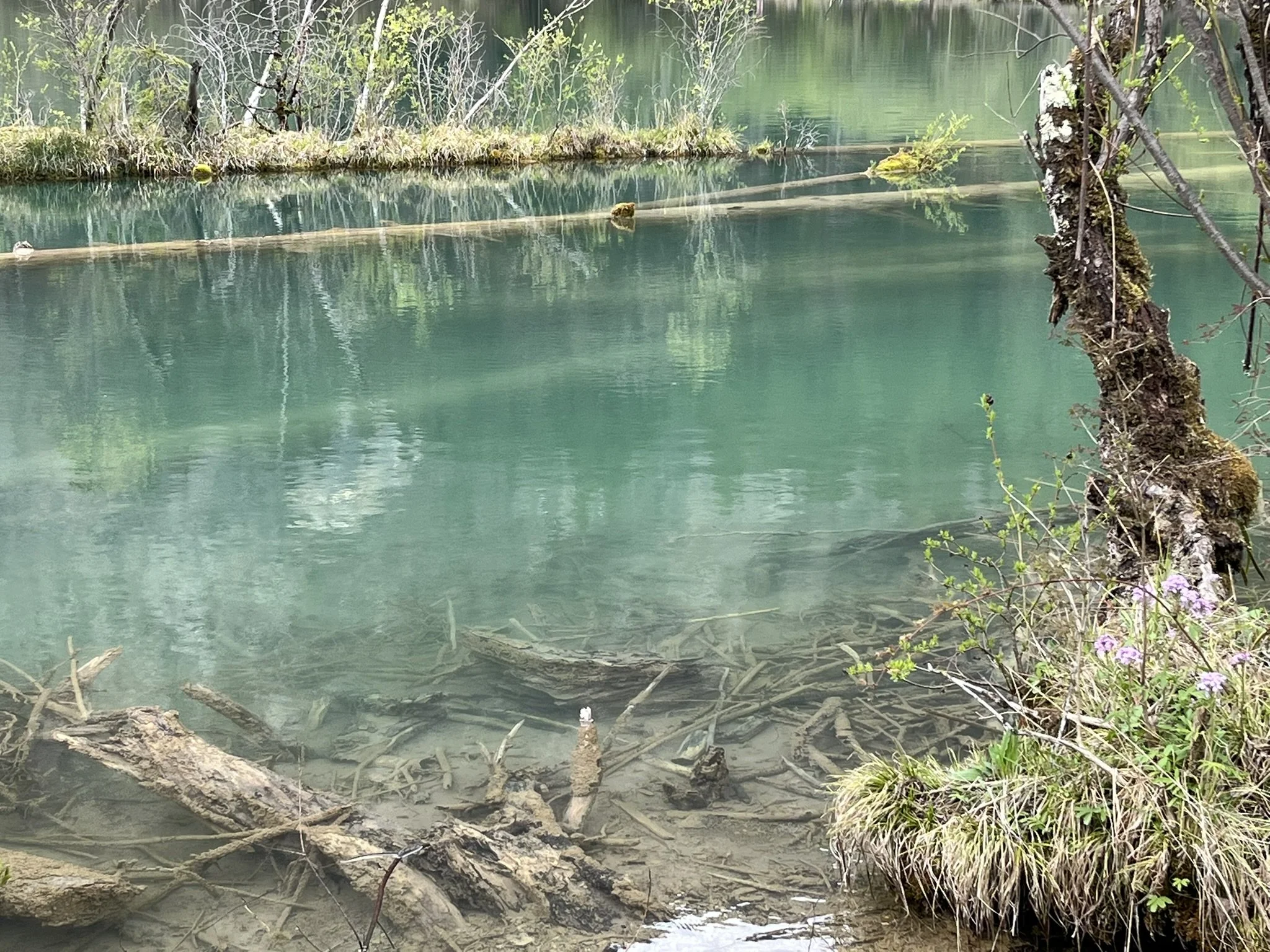
How to Get There ✈️
By land:
Use Chengdu as your arrival city for Sichuan province.
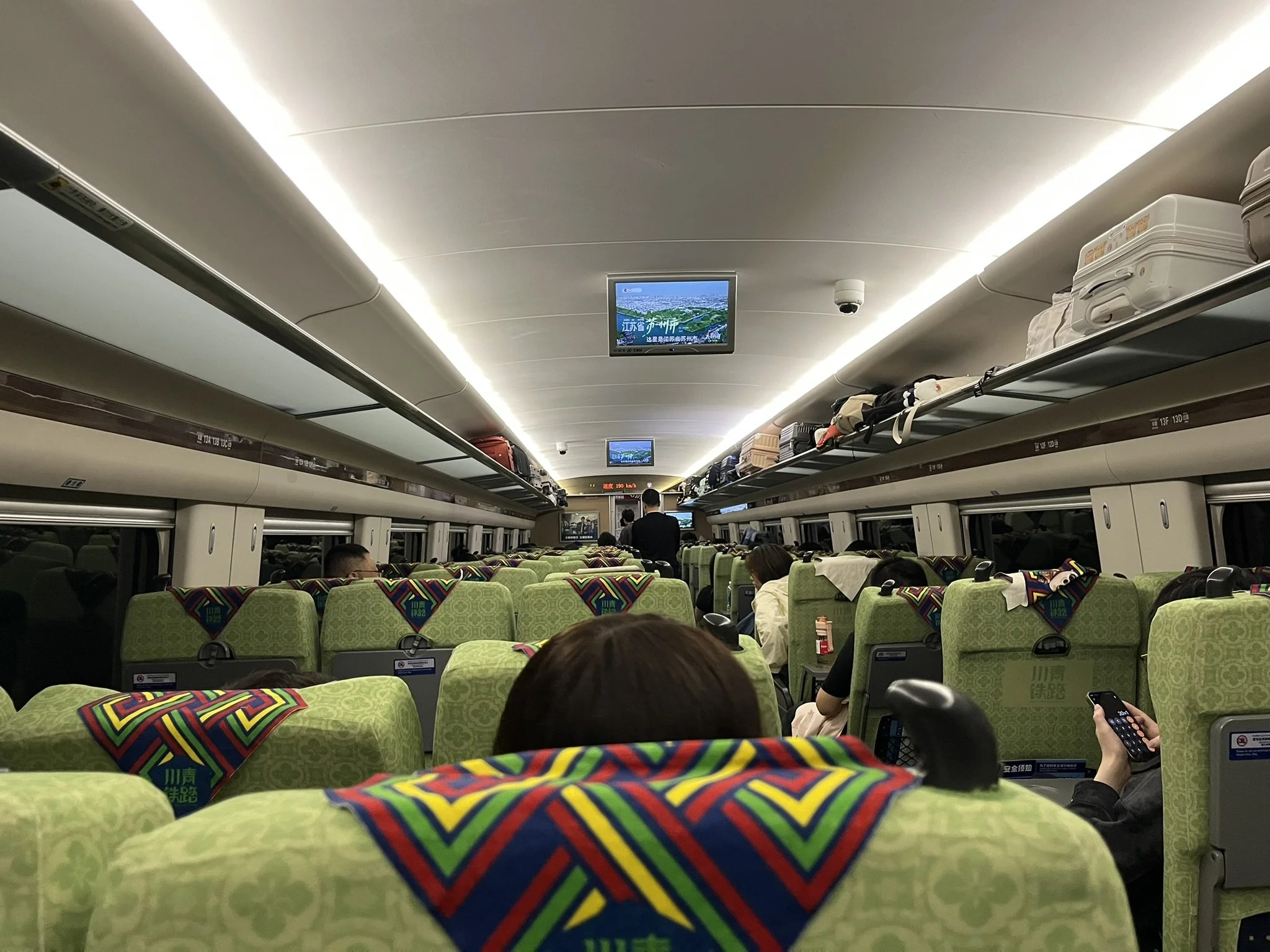
Take the high speed train from Chengdu East to Huanglong Jiuzhai station. It takes around 2 hours on average.
On arrival, take the coach to Jiuzhaigou. The coach takes around 1.5 hours, making it 4 hours in total.
Skip two sections down for booking instructions.
If you don’t want hassle of booking the coach yourself or prefer more personal space, you can book a private cab in advance OR call a DiDi on arrival.
I stayed overnight at the nearby village. I entered the park the next day at 9am and stayed until the park closed at 6pm.
Jiuzhaigou and Huanglong are actually 2 hours from each other by road. More information on how to book transport later in this guide.
By air:
I don’t recommend flying directly to the nearest airport, Jiuzhai Huanglong Airport, because flights are very limited.
It is also at high altitude, which means you are at higher risk of altitude sickness.
I recommend flying to Chengdu first and transferring to the high speed train. If you’re not already including Chengdu as part of your trip, I highly recommend you do so!
Here’s my Chengdu travel guide
Where Should You Stay 🛏️
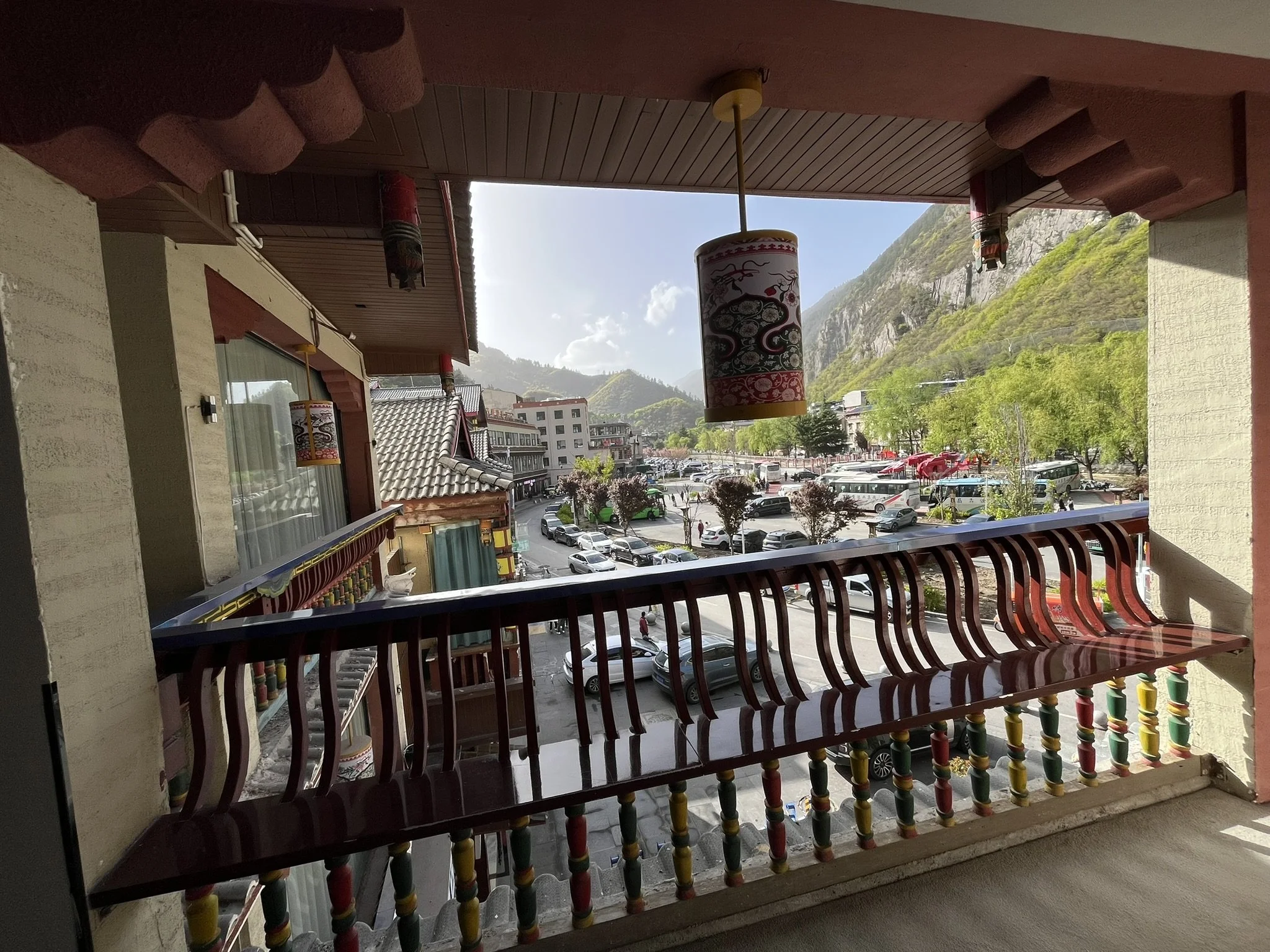
I stayed west of the park entrance in Pengfeng village. It’s around 15 minutes walk to the park entrance! I recommend you do too!
DO NOT book hotels in the Jiuzhaigou county town. It’s almost an hour away from the park! Remember to check the map function on the hotel’s page.
Try and grab a hotel with a scenic view. I did and it was so worth it for the scenic view. This is the one I stayed in but make sure you pick a room with a scenic view.
It’s right in the middle of the village and has lots of restaurants and shops within walking distance. However, it can get rather noisy until midnight.
There are quite a lot of hotels with spectacular views, it all depends on your budget.
If you prefer staying at high end hotels like Jiuzhaigou Days Hotel or Hilton Garden Inn, then you will need to ask reception to call a cab for you as it’s too far to walk to the park entrance.
If you want to stay at a familiar, budget-friendly chain, Holiday Inn Express is one of the closest hotels to the park entrance (only 800m away).
It’s away from the village shops and restaurants, but the good thing about that is that it’s generally quieter.
You can also consider staying in a Tibetan style hotel/lodge if you want to immerse yourself in the local culture.
I recommend you use Trip, since it is the top hotel booking platform in China and has the bigger range of hotels. Always cheaper for me as well.
Check out my articles How to Get The Best Deal For Hotels in China and
Things To Consider When Booking a Hotel in China.
⬇️
Booking Tickets 🎟️
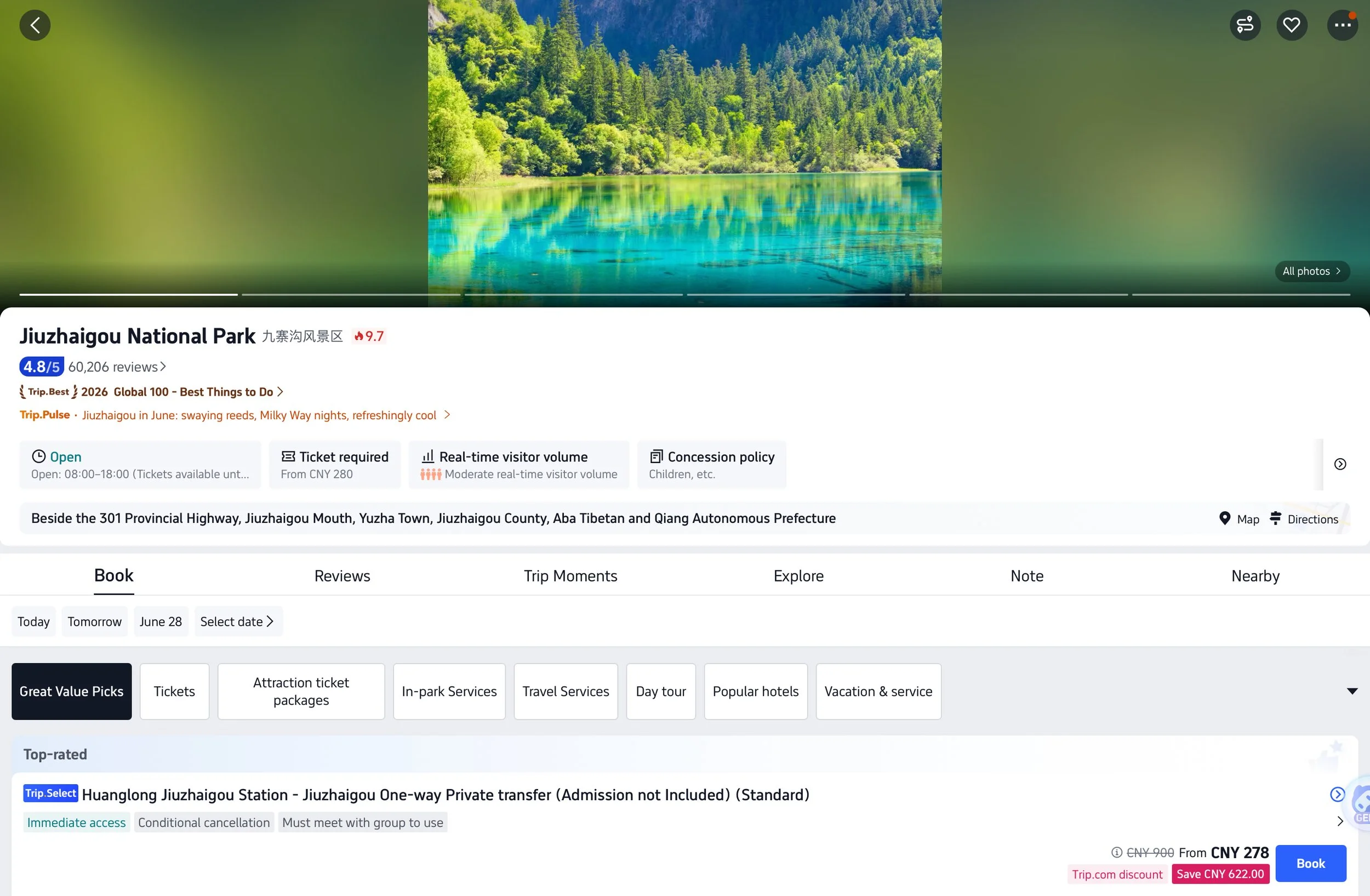
Ticket Price -280rmb total for entry + shuttle bus transport (compulsory)
Book your tickets online in advance. Don’t make the mistake of thinking you can buy tickets on arrival.
There’s no offline ticket office and they don’t sell tickets offline. I bought mine on Trip.
The price is - 280rmb per adult during peak season (usually Apr 1 to Nov 15), free for children under 6 years old and seniors over 65.
You cannot and must not ignore the shuttle bus ticket which costs ~90rmb. It’s not walkable between most sites (we’re talking many kilometres).
Tickets easily sell out during public holidays like May Day and National Day Golden Week. Avoid these dates at all costs.
The ticket is only valid for 1 day. Ideally, do not use it on the day you arrive, even if you get there before the cut-off time at 2pm.
Even if you take the earliest train and go straight to the park, you’ll arrive at the park entrance around mid-day at the earliest. Leaving only a half-day.
I spent 8 hours in the park and it still wasn’t enough. All visitors have to leave the park at 6pm and you’ll barely see much of it. It won’t be good value.
Tickets are cheaper in winter but I was told some areas are restricted. It’s also much colder. Water may be frozen.
If you want to see winter scenery, then of course this is the best time. However, most of the gorgeous photos you see of Jiuzhaigou are in spring-autumn during peak season.
Remember: Book online in advance (do it here on Trip)
(Information last checked in May 2026)
How To Book Transport From Huanglongjiuzhai station to Jiuzhaigou
Coach or private transfer outside the station stating Jiuzhaigou (九寨沟 in Chinese).
If you’re taking the coach, remember to show the driver the name of your hotel in Chinese so that he/she knows to drop you off at the stop nearest your hotel.
The coach has multiple stops but the driver shouts out the stop in Chinese (which you won’t understand unless you understand Chinese).
If no one answers before the stop, they will continue without stopping. If you missed your stop, don’t panic. You can just hail a taxi back.
⬇️
How To Book Transport From Huanglongjiuzhai station to Huanglong
Coach or private transfer outside the station stating Huanglong (黄龙 in Chinese).
⬇️
How To Book Transport From Jiuzhaigou to Huanglong
I booked a coach on Trip. A bit of a hassle because the pickup point wasn’t clear. But I arrived at the expected time.
You can consider booking a private cab for the day. Avoid taking any cabs from people approaching you cos they might overcharge you. You should be able to leave your luggage in the car with the driver to save the hassle of checking it into the centre at Huanglong.
⬇️
How To Get Around Jiuzhaigou
Outside the Park
If you’re staying in Pengfeng village next to the park’s entrance, pretty much everything is within walking distance.
If you’re staying in other villages, you would either need to get the hotel to arrange a taxi for you to the park’s entrance or call a DiDi yourself.
Inside the Park
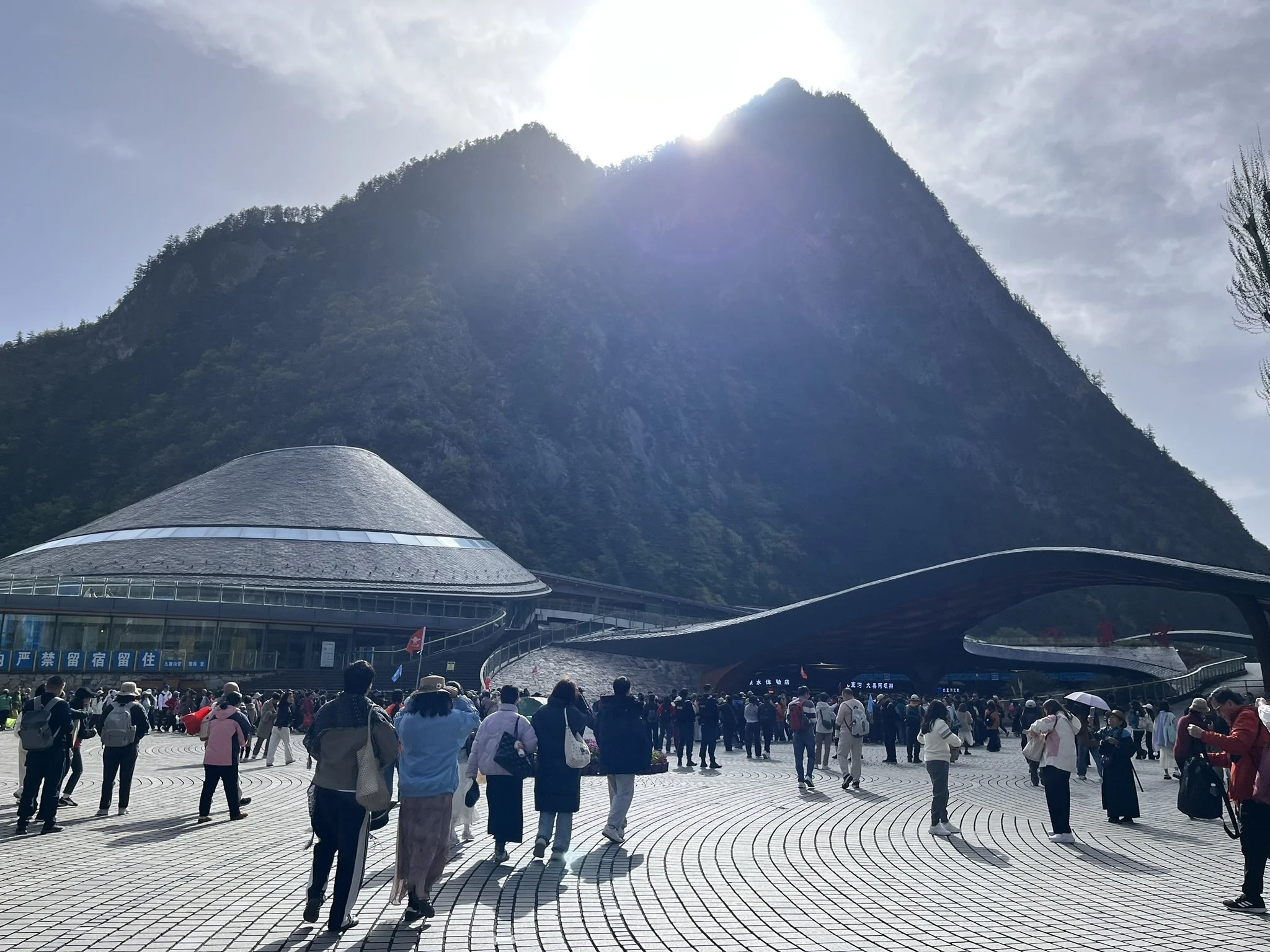
The park is massive. I underestimated it when I went. One of the guides said the total distance covered is around 50km.
Apparently, the park has a fleet of 300 shuttle buses! I never waited for more than a few minutes for a bus to show up.
There is a guide on each bus, but they only speak in Chinese. If you need an English guide, you’ll have to book your own.
If you follow this guide, chances are you won’t need one. The signs are in English.
They don’t tell you which valley your bus is going to until you are halfway through the journey. This is because the park aims to distribute visitors evenly between the valleys.
Buses going into the park do not usually stop before they reach the furthest point within either of the furthest two valleys.
The idea is for all visitors to start deep inside the park and work their way back to the entrance. This is the most efficient way.
The buses stop at individual lakes on their way out.
So, take the bus into the furthest point, explore the site, and take the bus out onto the next site when you’re done.
If you see a sign saying, for example 500m, to a site you’re interested in, walking is much faster. Buses only stop at major sites!
Don’t make the mistake of walking everywhere because very quickly you’ll tire yourself out AND run out of time.
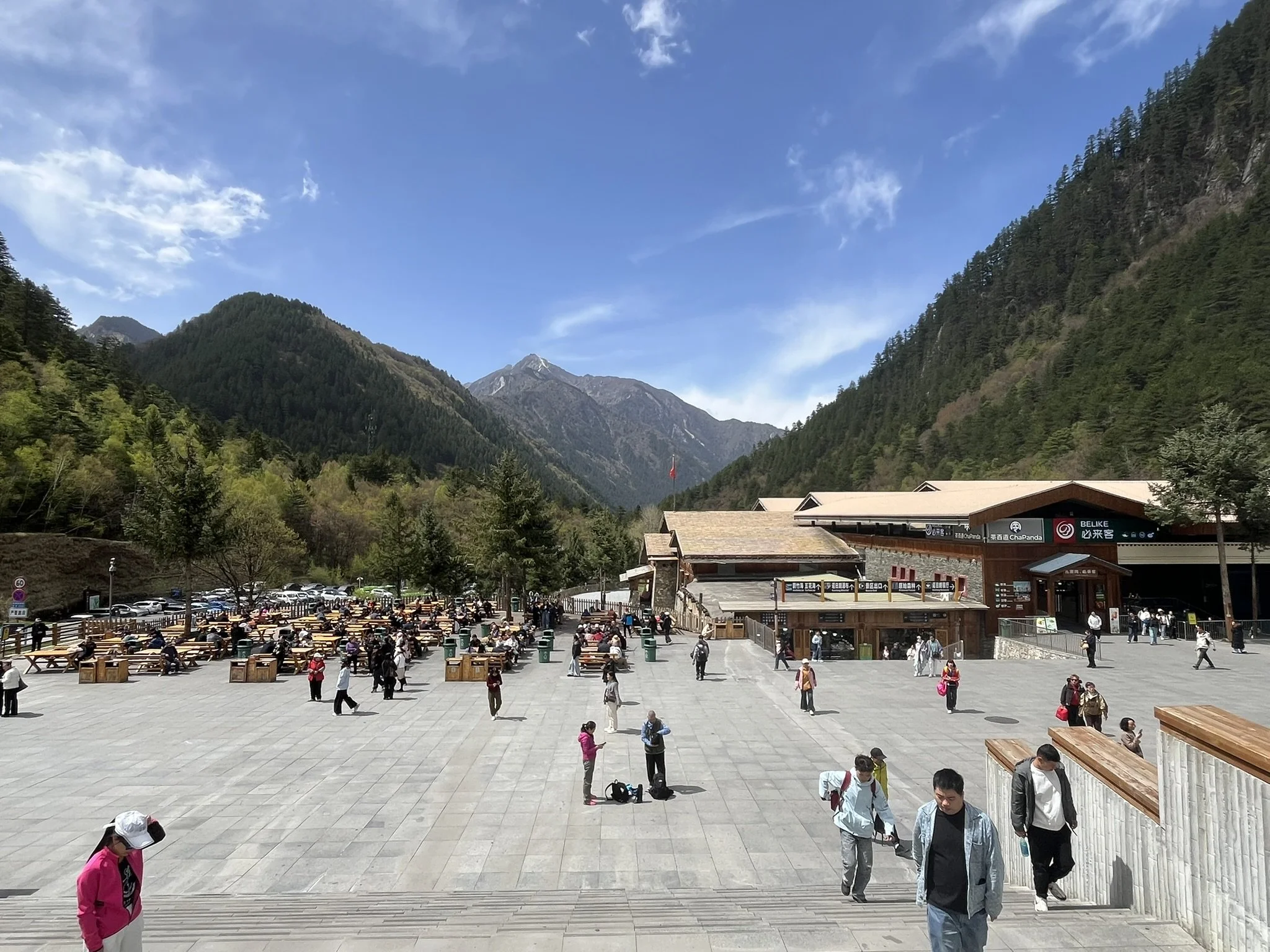
You must transfer between buses at Nuorilang Centre to enter different valleys. Follow the signs for where to wait for the correct bus.
Toilets can be easily found, at major scenic spots approximately every 2-3km
Nuorilang Centre is the only place with restaurants and souvenir shops. You can stop off here if you want a proper place to rest, want something hot, or run out of food.
I brought my own lunch and snacks to recharge. I didn’t want to waste the limited time I had eating at the centre.
Check out my Amap guide How to Use Amap to Navigate China: Beginner’s Guide
It’s useful to get your exact location + see how far you are from the next point of interest. Don’t worry about getting lost.
My Suggested Itinerary
How to arrange your day: far end of the park + work your way backwards. Walk it if scenic spots are close, otherwise take the shuttle bus.
The park’s split into 3 valleys in a Y-shape: Zechawa Valley 则查洼沟, Rize Valley 日则沟, Shuzheng Valley 树正沟
Main entrance is bottom tip of Y (north on north-south map)
Shuzheng Valley is bottom part of Y (north on a north-south map) - around 15km long
Zechawa Valley is top-left of Y (south-east on a north-south map) - around 18km long
Rize Valley is top-right of Y (south-west on a north-south map) - around 18km long
My Suggested Route
If you get taken to the western side (the right fork on a Y-map) first:
explore Rize Valley→ transfer at Nuorilang Centre→ explore Zechawa Valley→ transfer at Nuorilang Centre→ explore Shuzheng Valley
If you get taken to the eastern side (the left fork on a Y-map) first:
explore Zechawa Valley→ transfer at Nuorilang Centre→ explore Rize Valley→ transfer at Nuorilang Centre→ explore Shuzheng Valley
You can totally do it without a tour guide, but if you want less route planning and a little bit of commentary about each area, you can hire an English speaking tour guide.
It’s rather difficult to get lost, because there’s a lot of signage and they’re all in English and Chinese.
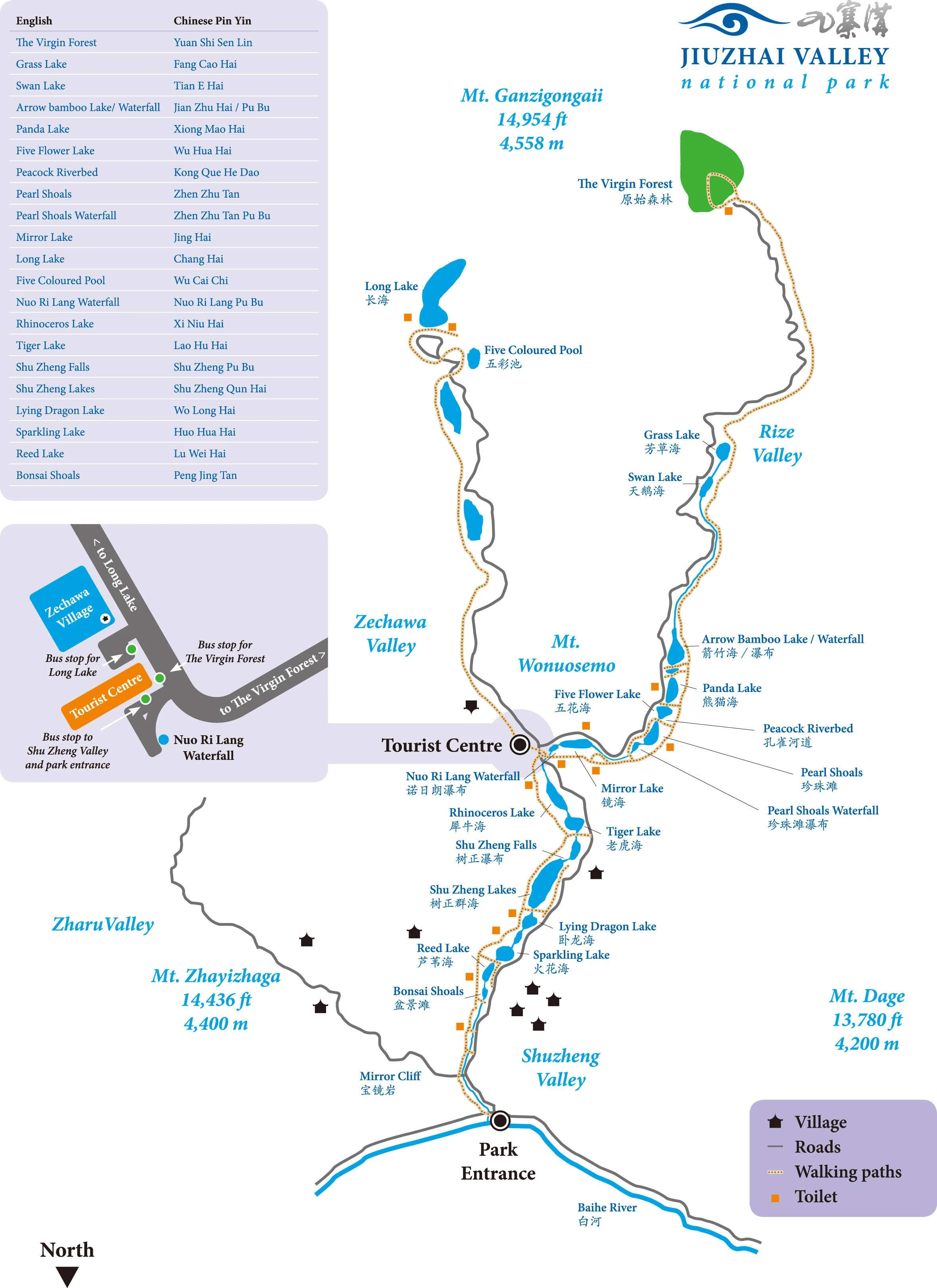
Source: jiuzhai.com
List: Key Points of Interest
English Translation | Pronunciation in Pinyin | Chinese
Five Color Pool | wǔ cǎi chí | 五彩池 ⭐
Five Flower Lake | wǔ huā hǎi | 五花海 ⭐
Long Lake | cháng hǎi | 长海 ⭐ - remember to go down the steps and get a close-up view!
Nuorilang Falls | nuò rì làng pù bù | 诺日朗瀑布 - the widest waterfall in China (270m width with a 20m drop) ⭐
Shuzheng Lakes | shù zhèng qún hǎi | 树正群海 ⭐ - around 2,280m
Reed Lake | lú wěi hǎi | 芦苇海 ⭐
Panda Lake | xióng māo hǎi | 熊猫海
Arrow Bamboo Lake | jiàn zhú hǎi | 箭竹海
Pearl Shoal Falls | zhēn zhū tān pùbù | 珍珠滩瀑布
Rhinoceros Lake | xī niú hǎi | 犀牛海
Tiger Lake | lǎo hǔ hǎi | 老虎海
Mirror Lake | jìng hǎi | 镜海
Nuorilang Centre | nuò rì làng zhōng xīn | 诺热浪中心
Secret tip from me: there are some hidden gems in the section between The Virgin Forest and Grass Lake. It was definitely worth it for me, but only do it if you arrive very early, like before 9am.
⬇️
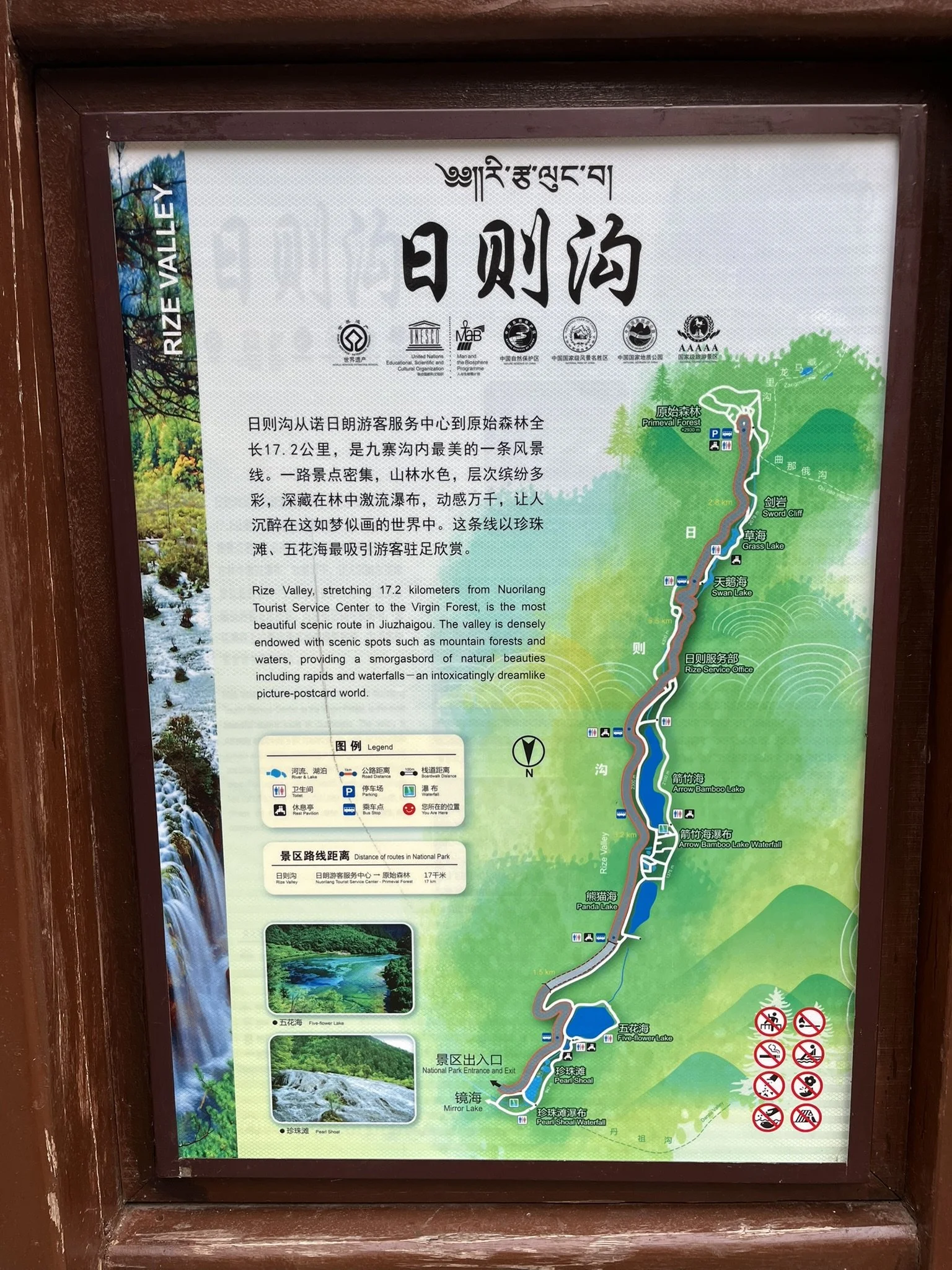
My advice for everyone
Enter before 9am. The park opens at 7:30am during peak season and 8:30am during off-peak season.
There are 3 valleys. Divide your time up. Spend the morning in the first valley. Take a break around mid-day either at Nuorilang Centre or any sitting areas.
Then split the afternoon into two and spend half each in the second and third valleys.
You’ll probably find that you spend the least time in the valley with Five Color Pool and Long Lake.
You can store luggage at the park entrance, if you need it. Otherwise, keep it in your hotel.
My advice for solo travellers
Don’t worry, it’s most definitely suitable for solo travellers. I did it myself and saw several others travelling solo, who I helped with photos.
Just stay on the designated paths. There’s plenty of signage. On the day I went, 20k+ people were in the park.
My advice for families/elderly
There’s a lot of walking. Some of the sites involve climbing many stairs.
Keep that mind when planning your day. Focus on the main sights.
Altitude sickness - low risk at Jiuzhaigou but everyone’s body is different.
Essentials Packing Checklist - IMPORTANT to give you the best possible experience
Comfortable walking shoes
Winter coat + jacket (it can get cold at most times of the year due to the altitude)
Suncream
Sunglasses
Sunhat/cap
Bottled water
UV umbrella
Energy/electrolyte drinks
Hot water flask
Chocolate/energy bars
Snacks (e.g. cookies)
What To Eat + Where To Eat 🥢🧑🏻🍳
Yak hotpot | máo niú huǒ guō | 牦牛火锅
One of my suggestions is Tong hua zhuang can ting (童话壮餐厅) - which literally means Fairy Tale Tibetan Restaurant. It’s on the 2nd floor, so look for a set of stairs.
Yak rice noodles | máo niú mǐ fěn | 牦牛米粉
Also consider buying some yak jerky | máo niú ròu gān | 牦牛肉干
Don’t worry, you don’t have to eat yak meat. There are plenty of noodle and dumpling restaurants.
There are also the usual Western chains in the village next to the entrance, if you don’t really like the choices on offer.
Check out my list of 60 dishes to eat in China and 31 classic breakfasts to try in China.
You can use Dianping to find restaurants and check out the food and reviews. Check out my articles
How to Find Great Restaurants in China - A Simplified Guide to Dianping and RedNote.
How to Order Food and Drink in China? A Mini-Guide with Key Phrases
Souvenir Shops
I bought mine in one of the official souvenir shops. Most of the roadside stalls offered themed souvenirs, but it’s hard to work out what is real.
📲 Save my guide to your homescreen so you have it handy when you’re in China!
☕ Thanks for checking out my guide! You can support my site by tipping a coffee here
coffee in Chinese = kā fēi 咖啡
⬇️
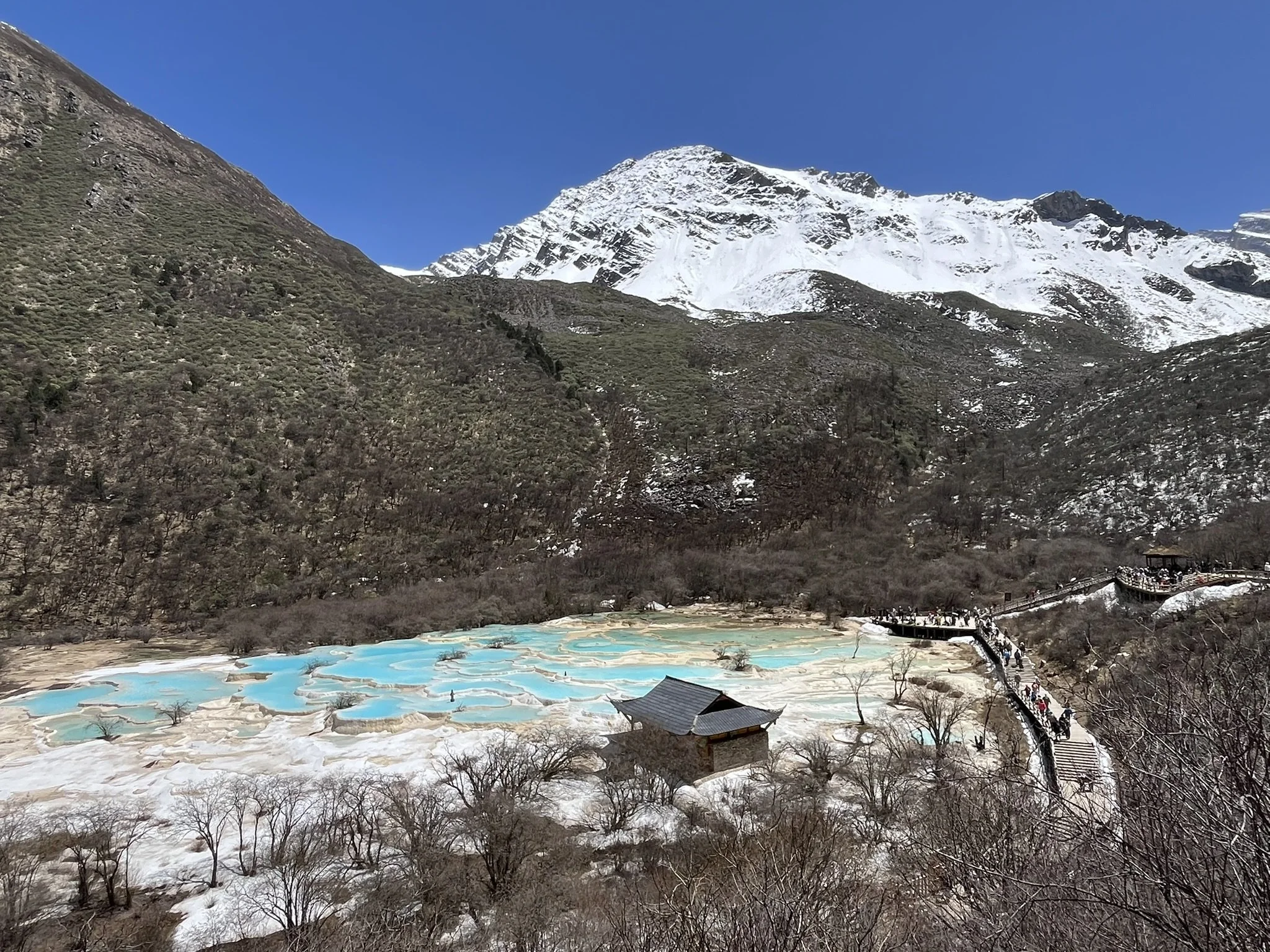
Part 2: Introduction to Huanglong Scenic Area 黄龙
A Few Facts about Huanglong
Another one of China’s top natural wonders. Many people visit Huanglong and Jiuzhaigou on the same trip.
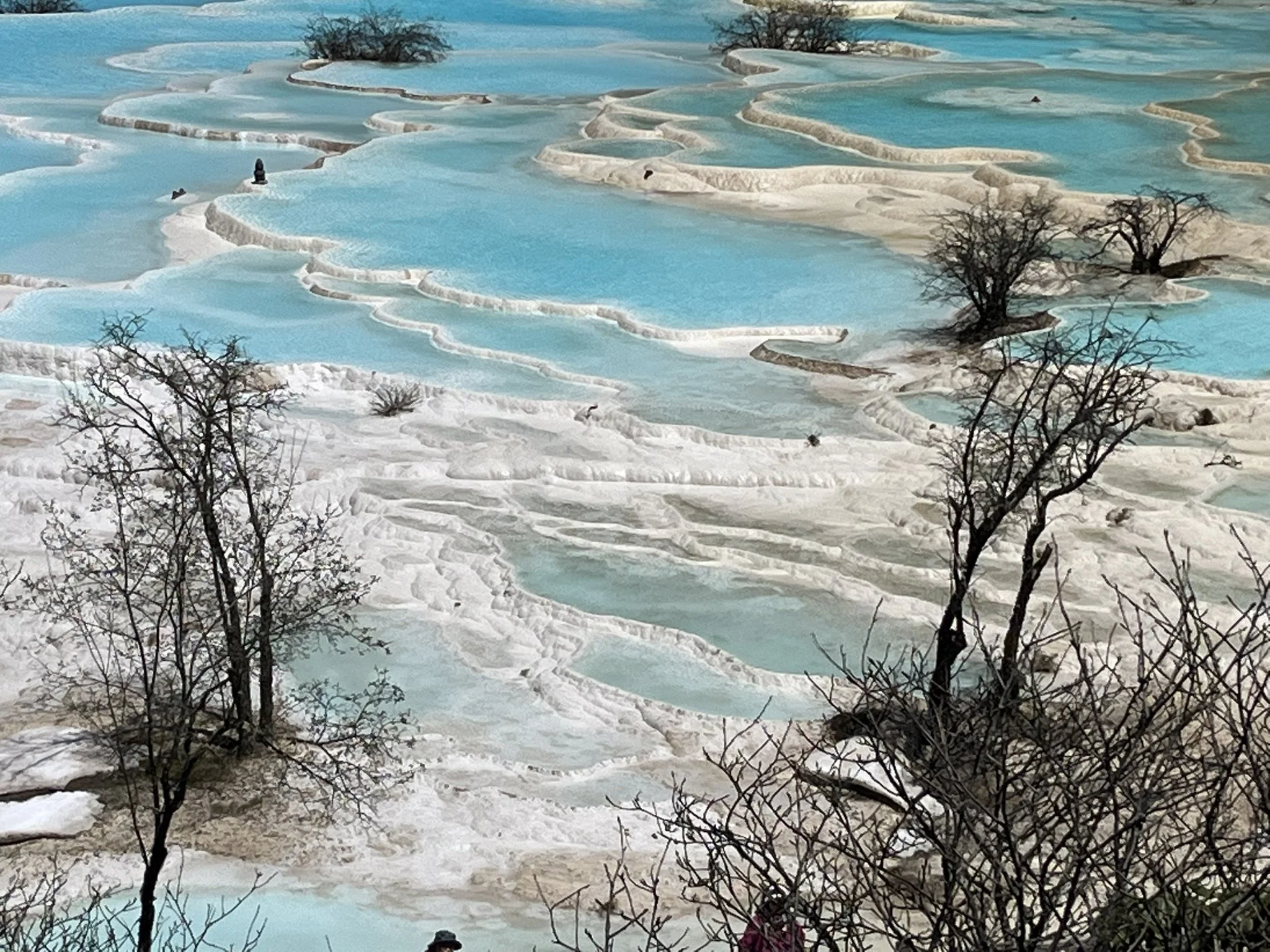
It’s famous for its thousands of colourful travertine pools in a cascading layout, surrounded by snow-capped mountains.
Huanglong is located around 100km south of Jiuzhaigou and 300km from Chengdu in northern Sichuan province. It’s at the eastern edge of the Qinghai-Tibetan Plateau.
You’ll reach as high as 3,500m altitude. The park is about 3.5km in length.
⬇️
What I loved about Huanglong👍🏻
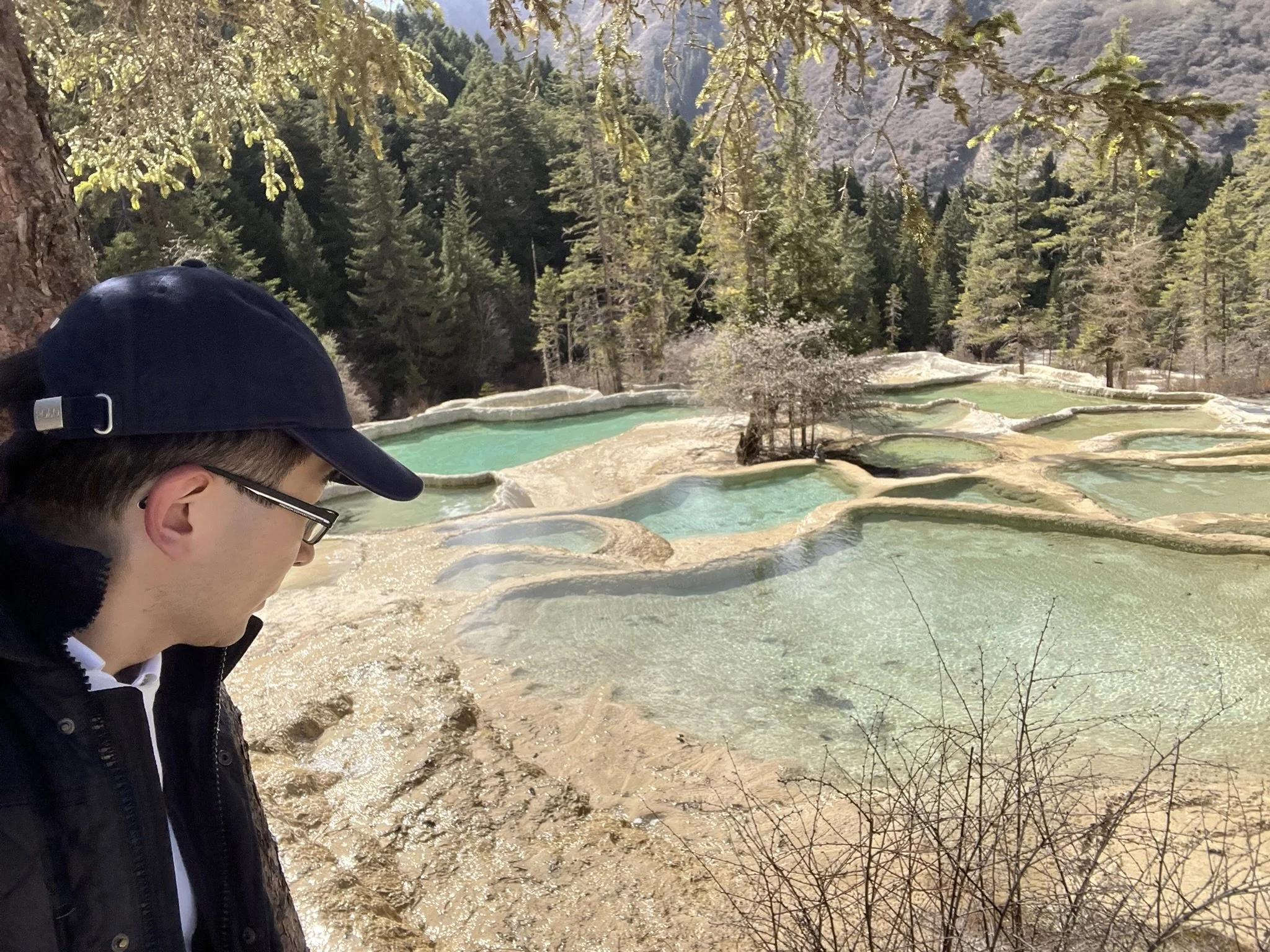
The cascading pools of Five Color Pool are out of this world! I really felt like I was on another planet.
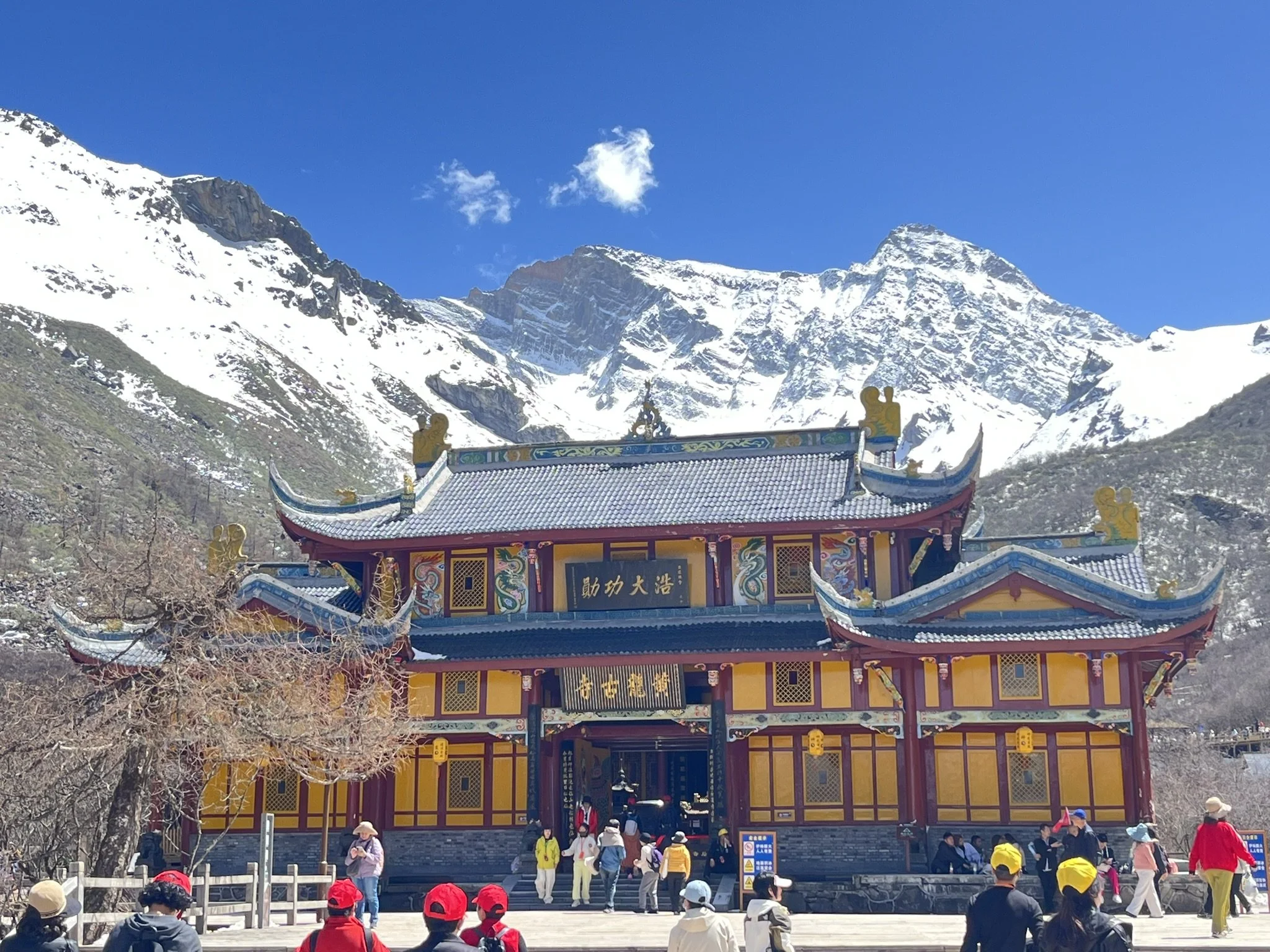
The temple at the top of the valley makes a dramatic backdrop and I really can’t forget the unforgettable atmosphere created by the Tibetan dancers.
I found the spectacular views of mountains, limestone, water, and forests incredibly satisfying.
My Recommended Number of Days📅
Half day-full day in your calendar. You don’t need to stay overnight.
I do NOT recommend visiting Huanglong before Jiuzhaigou.
Huanglong is at higher altitude (up to 3,900m) compared to Jiuzhaigou, meaning you’re more likely to get altitude sickness.
If you’re arriving from Chengdu (anywhere with a lower altitude), your body needs time to adjust and it’s much better to adjust at a lower altitude.
Booking Tickets 🎟️
Ticket Price:
Off peak season (usually Nov 16 to Mar 31): 60rmb for entry + 80rmb for ascending cable car
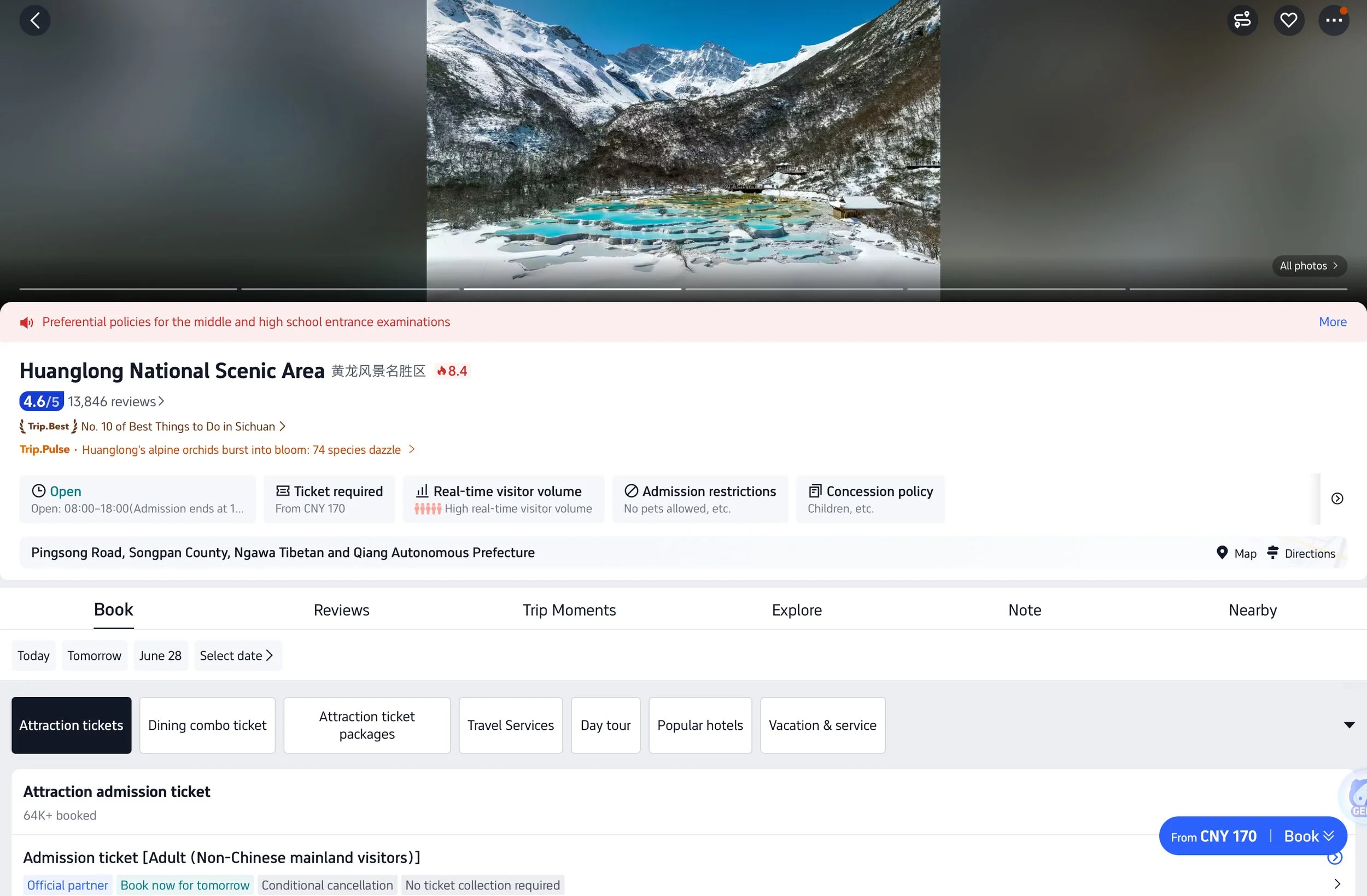
Peak season (usually Apr 1 to Nov 15): 170rmb for entry + 80rmb for ascending cable car
Free for children under 6 years old and seniors over 65.
Book your tickets online in advance. I bought mine on Trip. Don’t make the mistake of thinking you can buy tickets on arrival.
Tickets easily sell out during public holidays like May Day and National Day Golden Week. Avoid these dates at all costs.
(Information last checked in May 2026)
How To Get Around Huanglong
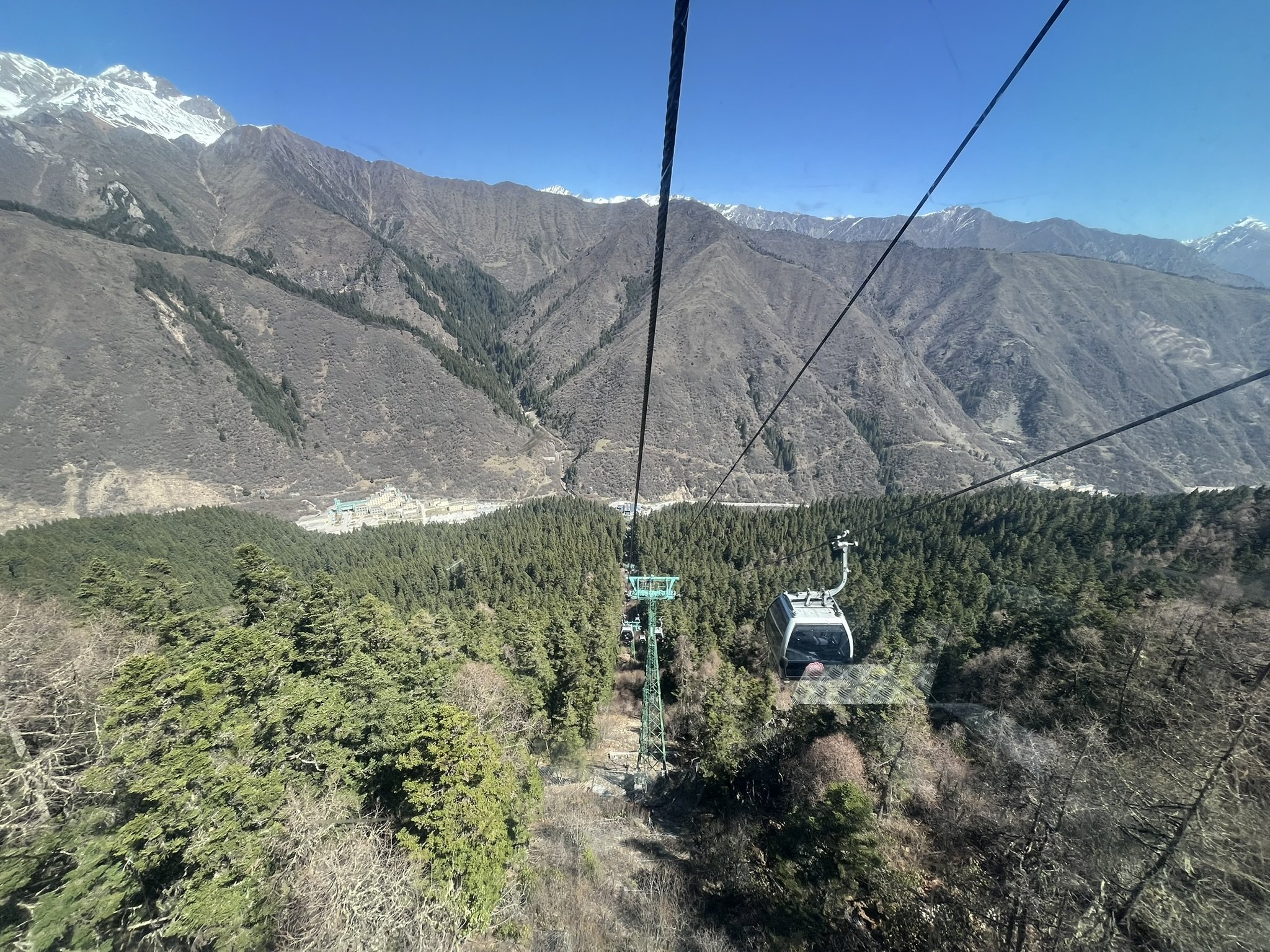
Taking the cable car
My recommendation is to take the cable car up the mountain. Make sure you buy the cable car part of the ticket - it costs 80rmb.
You’ll then need to either walk from the cable car station along multiple walkways. Or you can take a shuttle bus, but you’ll miss out on some amazing views.
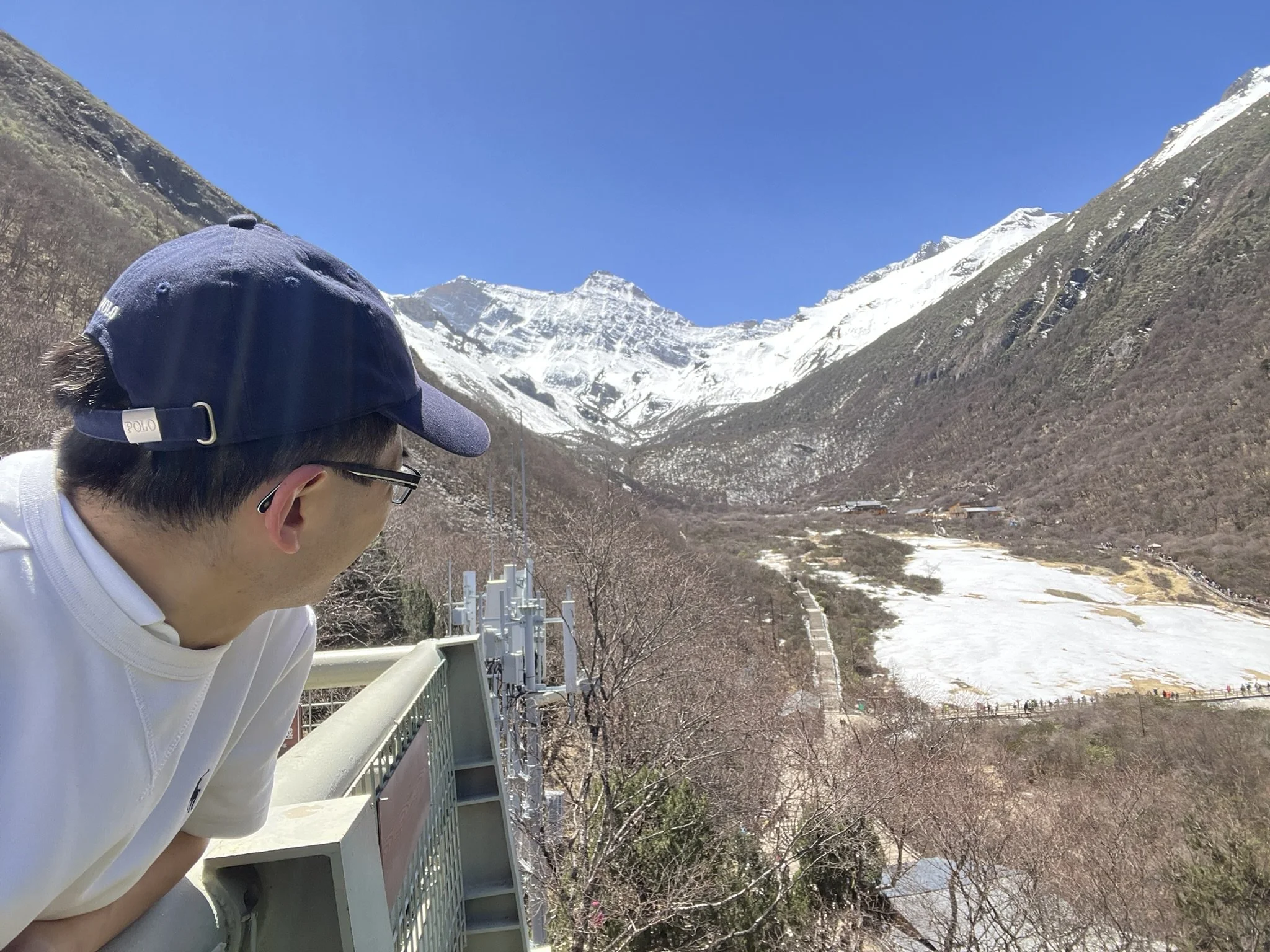
After around 10 minutes, you’ll reach a high viewing platform where you’re surrounded by mountains on multiple sides. I spent some time here taking photos and admiring the beautiful views.
Once you’re done, continue along the walkway. Your ultimate destination is Five Color Pool.
The distance is around 3km and should take roughly 50 minutes to 1 hour depending on your pace.
There are oxygen stations and toilets along the way, if you need it. You’ll encounter a staff member quite regularly, who you can ask for directions if you’re not sure.
Lots of signage anyway and you can’t really wander off the trail if you stick to the path.
Hiking
If you’re really super keen on hiking, the altitude is 3500m+ at the highest scenic site. You’ll need to hike thousands of steps. This is at high altitude.
I don’t recommend it personally. Apparently, it takes around 3-4 hours just to get to the top.
My Suggested Itinerary
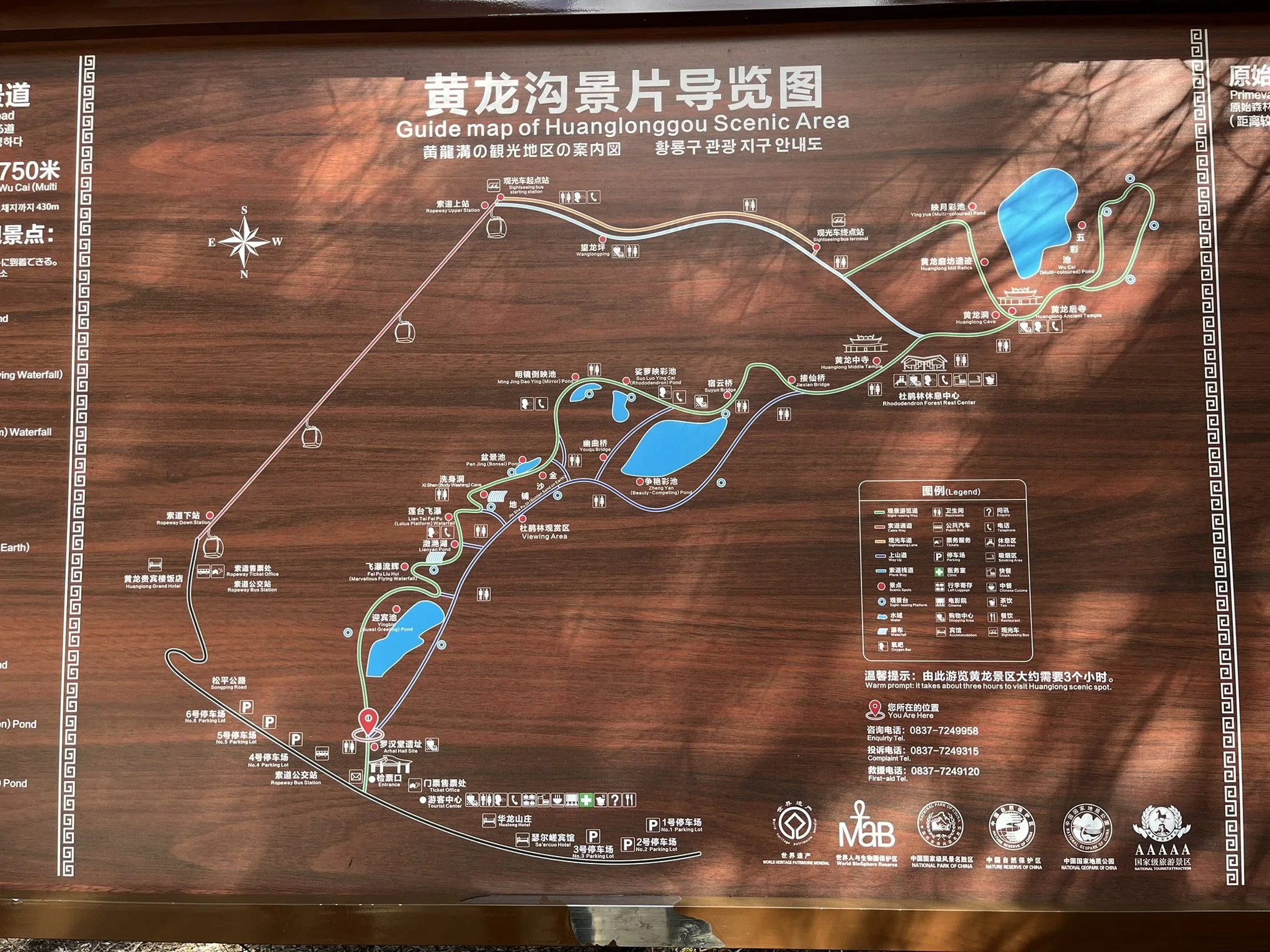
Order of route:
take cable car up → walk along designated path/take the shuttle bus → lookout platform over mountains
→ continue along walkway → Huanglong Ancient Temple → Five-Color Pond
→ follow the walkway steps downhill + stop at sites along the way → main entrance
You can totally do it without a tour guide, but if you want a little bit of commentary about each area, you can hire an English speaking tour guide.
There’s a lot of signage in both English and Chinese.
Key Points of Interest
Five Color Pond | wǔ cǎi chí | 五彩池⭐ - altitude at around 3,500-3,600m
Huanglong Ancient Temple | Huáng lóng gǔ sì | 黄龙古寺 ⭐
Xuebao Mountain | xuě bǎo shān | 雪宝山 - altitude peaks at 5,588m
Yingbin Pond | yíng bīn chí | 迎宾池 ⭐
My advice for everyone
Enter the park by 10am latest, bearing in mind your train departure time back to Chengdu.
If you take the cable car up, the whole excursion should take half a day. It will take most of the day if you hike both ways.
Personally, I did not get altitude sickness and did not buy an oxygen cylinder. They are available for sale at one of the buildings at the entrance, if you feel you need it.
Everyone’s body is different.
My advice for solo travellers
Most definitely suitable for solo travellers. I travelled solo and saw several others doing it too. Also saw staff regularly along walking paths.
Stay on the designated paths. There’s plenty of signage.
My advice for families/elderly
There’s a LOT of walking up and down steps. I wouldn’t say it’s particularly accessible for kids or elderly people. But I saw a lot of them there. It’s depends on their health and fitness.
Keep that mind when planning your day.
Altitude sickness - a reasonable risk for anyone, especially at Five-Color Pond.
Relevant articles to plan your trip👇🏻
BEST Jiuzhaigou, Zhangjiajie, Guilin Itinerary: 5-15 Days
Best Chengdu and Sichuan Itineraries: 3 Days, 7 Days, 10 Days
Prepare
What You Need To Know Before You Arrive In China
Best Time To Visit China Without Crowds - Public Holidays To Avoid In 2026
Do I Need a Local SIM Card or VPN When Travelling in China?
What Apps Do You Really Need As A Tourist In China? Super-Apps and Mini-Programs Unpacked
Do I Need To Know Chinese For My Trip to China? Or A Tour Guide? A Practical Take
How To
How To Make Payments As A Tourist in China?
How to Buy Tickets to Attractions in China?
How to Order Food and Drink in China? A Mini-Guide with Key Phrases
Essential Things To Know About Trains and High Speed Rail in China
Your First 24 Hours In China: The Ultimate Step By Step Guide For First Time Visitors
Things to Know
16 Misconceptions and Mistakes All First Time Visitors to China Must Know!
5 Food and Drink Facts You Should Know Before Travelling in China!
6 Traffic Rules You Need to Know as a Tourist in China
Similar City Guides
Chengdu: Ultimate Travel Guide By A Chinese
Xi’an: Ultimate Travel Guide By A Chinese
Chongqing: Ultimate Travel Guide By A Chinese
Nanjing: Ultimate Travel Guide By A Chinese
Shanghai: Ultimate Travel Guide By A Chinese
Hangzhou: Ultimate Travel Guide By A Chinese
Guangzhou: Ultimate Travel Guide By A Chinese
Shenzhen: Ultimate Travel Guide By A Chinese
Hong Kong: Ultimate Travel Guide By A Local Chinese